Signal Call-Termination Vulnerability - CVE-2026-113380
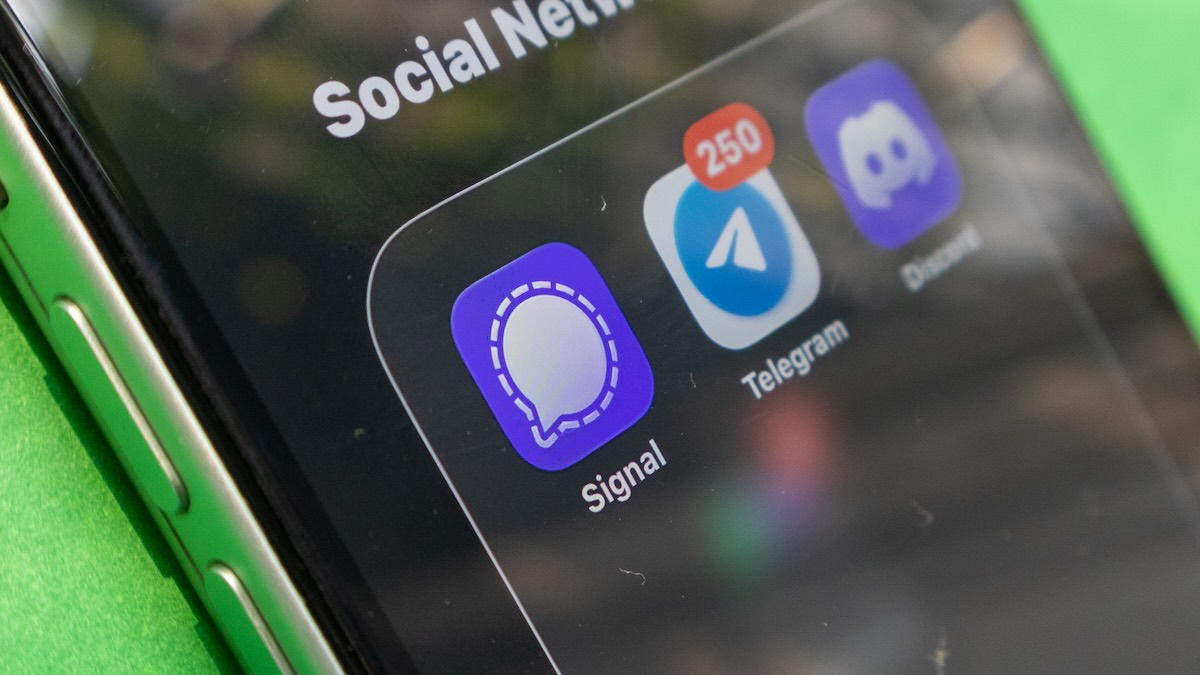
Signal RingRTC CVE-2026-113380 CVSS 9.3 Privacy Exposure Risk
Overview
A critical vulnerability was discovered in Signal's RingRTC calling library, which manages voice and video calls.
A malicious call participant could overwhelm the library's internal event queue and prevent a hang-up request from being processed correctly. As a result, a victim might believe a call has ended while audio and potentially video remain active.
Technical Details
CVE-2026-113380 is classified as CWE-754 (improper checking for unusual or exceptional conditions). It affects RingRTC versions earlier than 2.72.0.
The reported attack saturates the call finite-state-machine (FSM) event queue, delaying or blocking call termination handling. Reported severity is CVSS 4.0 score 9.3 (Critical).
No claim in the cited reporting establishes a break of Signal's end-to-end encryption model; this issue concerns call-termination behavior and privacy exposure risk if media remains active unexpectedly.
Technical Specifications
| Attribute | Details |
|---|---|
| Vulnerability | CVE-2026-113380 |
| Weakness Class | CWE-754 |
| Affected Component | Signal RingRTC calling library |
| Affected Versions | RingRTC prior to 2.72.0 |
| Attack Prerequisite | Malicious participant in an active call |
| Exploit Method | FSM queue saturation to disrupt termination processing |
| Severity | CVSS 4.0: 9.3 (Critical) |
| Encryption Status | No direct evidence of E2EE cryptographic break in cited sources |
Affected Products
- Signal clients on Android, iOS, Windows, macOS, and Linux using vulnerable RingRTC versions.
- Any software integrating RingRTC versions earlier than 2.72.0.
Attack Scenario
- The attacker establishes a Signal call with the victim.
- The attacker floods the call FSM event queue with excessive call-related events.
- The victim attempts to hang up, but termination processing is delayed or blocked.
- The victim assumes the call has ended while audio and potentially video may remain active.
- The attacker may receive sensitive conversations or visual information if transmission continues.
Impact Assessment
- Potential unauthorized exposure of private conversations
- Possible leakage of sensitive visual information if camera stream remains active
- Failure of expected call-termination behavior
- Reduced user confidence in call-state indicators
- No confirmed widespread exploitation reported in cited coverage
- Vulnerability does not itself demonstrate a break in Signal end-to-end encryption
Mitigation Strategies
- Update Signal on Android, iOS, Windows, macOS, and Linux to the latest available version.
- If integrating RingRTC directly, upgrade to version 2.72.0 or later.
- Verify calls are fully disconnected after hanging up.
- Check microphone and camera activity indicators after calls.
- If media activity persists, temporarily revoke app permissions and investigate.
- For developers, ensure termination requests can bypass saturated queues and add explicit shutdown timeout controls.
Resources and References
Public Reporting
Last Updated: October 29, 2026