Russian APT28 Exploit Zero-Day Hours After Microsoft Discloses Office Vulnerability
CVE-2026-21509 APT28 (Fancy Bear) Zero-Day Exploitation
Overview
CVE-2026-21509 is a security feature bypass vulnerability in Microsoft Office that allows attackers to craft specially crafted documents which bypass Object Linking and Embedding (OLE) mitigations. Russian state-sponsored threat actor APT28 (also known as Fancy Bear, UAC-0001) began exploiting this zero-day vulnerability within hours of Microsoft's disclosure, targeting Ukraine and EU organizations. Opening the malicious document leads to arbitrary code execution and deployment of the COVENANT post-exploit framework through a sophisticated multi-stage attack chain.
Technical Specifications
| Attribute | Details |
|---|---|
| CVE ID | CVE-2026-21509 |
| Vulnerability Type | Security Feature Bypass (OLE/COM controls) |
| CVSS Score | 7.8 (High) |
| Attack Vector | Phishing with malicious Office document |
| Threat Actor | APT28 (Fancy Bear, UAC-0001) |
| Attribution | Russian state-sponsored |
| User Interaction | Required (open document) |
| Post-Exploit Framework | COVENANT |
Affected Products
- Microsoft Office 2016
- Microsoft Office 2019
- Microsoft Office LTSC 2021
- Microsoft Office LTSC 2024
- Microsoft 365 Apps for Enterprise
- Status: Zero-day actively exploited / Emergency patches available
Technical Details
The exploitation chain involves multiple sophisticated stages:
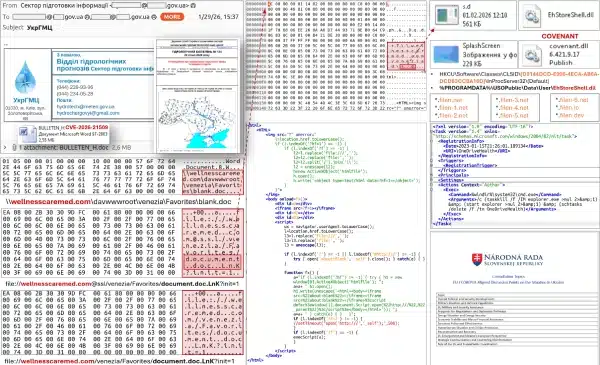
- Initial Exploitation: Malicious Office document bypasses OLE/COM security controls
- WebDAV Connection: Document connects to attacker infrastructure via WebDAV protocol
- Payload Retrieval: Downloads malicious components:
- Shortcut file with embedded code
- DLL disguised as "EhStoreShell.dll"
- Image file containing shellcode
- COM Hijacking: Registry modifications to load malicious DLL when Explorer reloads
- Persistence: Scheduled tasks and COM hijacking establish persistent foothold
- C2 Deployment: COVENANT framework provides command-and-control over legitimate cloud infrastructure (Filen cloud storage)
Attack Scenario
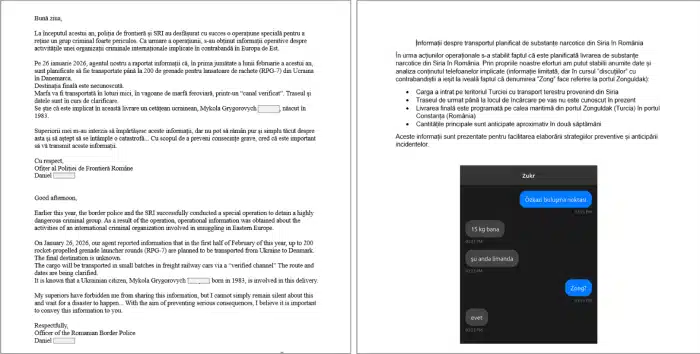
- APT28 operators send phishing emails to targeted users in Ukraine and EU organizations
- User opens the weaponized Office document in vulnerable Office installation
- Office connects to attacker-controlled WebDAV server and retrieves payload components
- Malicious persistent mechanisms (COM hijack, scheduled tasks) are established automatically
- The COVENANT framework provides command and control capabilities for expanded espionage operations
Impact Assessment
- Credential theft through advanced post-exploit framework
- Data exfiltration capability targeting sensitive government and military information
- Espionage activities focused on Ukraine and EU strategic assets
- Access to classified or sensitive organizational communications
- Unauthorized system compromise and persistent backdoor installation
- Modification of system registry and COM components
- Deployment of attacker-controlled frameworks and tools
- Potential manipulation of sensitive documents and data
- Persistent access enabling long-term compromise
- Lateral movement potential affecting multiple systems
- Risk of disruptive operations following espionage phase
- Operational disruption through malware deployment
Mitigation Strategies
Immediate Actions
- Apply emergency Microsoft patches for all affected Office versions immediately
- Restart Office applications for service-side protections on newer versions to take effect
- Hunt for indicators of compromise related to APT28 exploitation (WebDAV connections, COM hijacking artifacts)
- Isolate and investigate systems showing suspicious Office or Explorer behavior
Short-term Measures
- Harden email defenses and filter attachments from external/untrusted senders
- Block or monitor WebDAV traffic to external destinations
- Monitor or restrict traffic to Filen cloud storage infrastructure used by attackers
- Implement strict macro and OLE object policies
- Deploy behavioral monitoring for abnormal COM/OLE activity
Monitoring & Detection
- Use EDR/behavioral monitoring to detect abnormal COM/OLE activity
- Alert on suspicious WebDAV connections from Office processes
- Monitor for registry modifications related to COM hijacking
- Track creation of scheduled tasks by Office processes
- Watch for connections to Filen cloud storage or other suspicious C2 infrastructure
- Monitor for "EhStoreShell.dll" or similarly named suspicious DLLs
Long-term Solutions
- Implement zero-trust architecture to limit lateral movement
- Deploy advanced email security with attachment sandboxing
- Maintain continuous vulnerability management and rapid patching cycles
- Conduct regular security awareness training on APT-level phishing campaigns
- Use application control to restrict Office macro and OLE execution
- Implement network segmentation to contain compromises
Resources and References
Official Documentation
- Russian APT28 Exploit Zero-Day Hours After Microsoft Discloses Office Vulnerability - The Cyber Express
- Russia-linked attackers abuse new Microsoft Office zero-day • The Register
- Russian hackers exploit recently patched Microsoft Office bug in attacks
- APT28 Exploits Zero-Day Microsoft Office Flaw in Ukraine
- Fancy Bear Returns: APT28 Exploits Office Flaw in "Operation Neusploit"
- UAC-0001 (APT28) Attack Detection: russia-Backed Actor Actively Exploits CVE-2026-21509 Targeting Ukraine and the EU | SOC Prime
- Actively exploited Microsoft Office Zero‑Day (CVE‑2026‑21509)
- APT28 Group Exploits New Microsoft Office Zero-Day in Attacks Targeting Ukraine and EU
- Hackers Actively Exploit Microsoft Office Zero-Day to Deliver Malware
Last Updated: February 3, 2026