APT28 PRISMEX Campaign
Russia-Linked APT Spear-Phishing Cyber Espionage
Overview
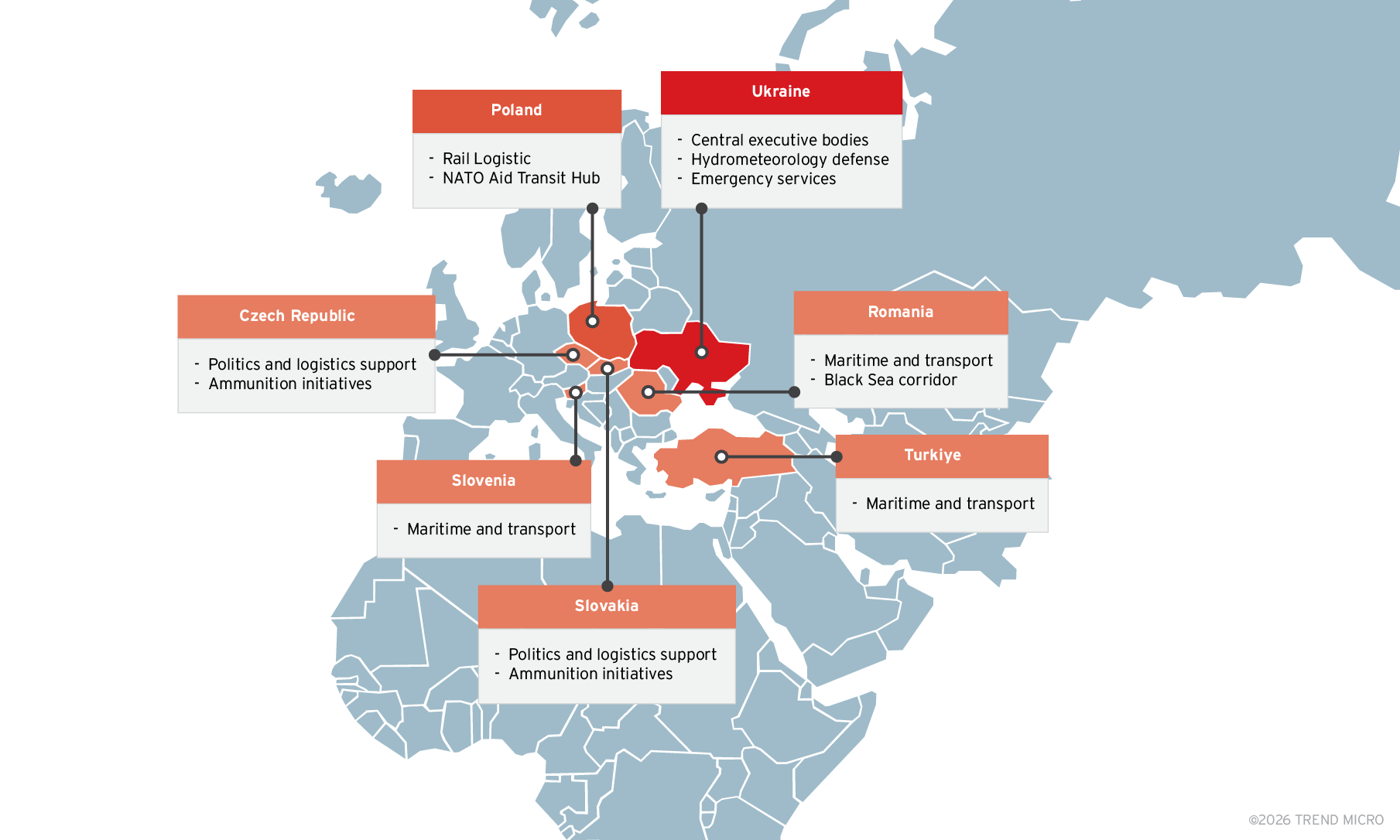
APT28 (Fancy Bear / Forest Blizzard), the Russian GRU-attributed threat actor, conducted a sophisticated cyber-espionage campaign targeting Ukrainian and NATO-linked entities using a multi-stage malware framework named PRISMEX. The campaign leverages spear-phishing emails with malicious Excel attachments to deliver layered malware modules capable of fileless execution, steganographic payload concealment, COM hijacking persistence, and cloud-based command-and-control. PRISMEX is designed for long-term stealthy persistence, intelligence collection, and potential disruption of critical military and logistics operations.
Technical Specifications
| Attribute | Details |
|---|---|
| Threat Actor | APT28 / Fancy Bear / Forest Blizzard (GRU Unit 26165) |
| Campaign Name | PRISMEX |
| Attack Type | Cyber Espionage, Spear-Phishing, Multi-Stage Malware |
| Targets | Ukrainian & NATO-Linked Entities (Military, Logistics) |
| Initial Vector | Spear-Phishing Emails with Malicious Excel Attachments |
| CVEs Exploited | CVE-2026-21509, CVE-2026-21513 (possible zero-day) |
| Persistence Method | COM Hijacking |
| Payload Concealment | PNG Steganography |
| C2 Infrastructure | Cloud Services (e.g., Filen.io) |
| Execution Style | Fileless / In-Memory |
Affected Products
- Microsoft Excel / Office: Exploited via malicious
.xls/.xlsmattachments triggering CVE-2026-21509 and CVE-2026-21513 - Windows COM Infrastructure: Hijacked for persistence across system reboots without requiring privileged installation
- Windows Endpoint Systems: All Windows systems running vulnerable Office versions without macro restrictions
- Cloud Storage Services: Filen.io and similar cloud platforms abused for C2 communication and data exfiltration
- Organizations Targeted: Ukrainian government and military agencies, NATO-aligned defense contractors, logistics and supply chain operators supporting Ukraine
Malware Architecture
PRISMEX operates as a modular, staged malware framework with four distinct components:
| Module | Function |
|---|---|
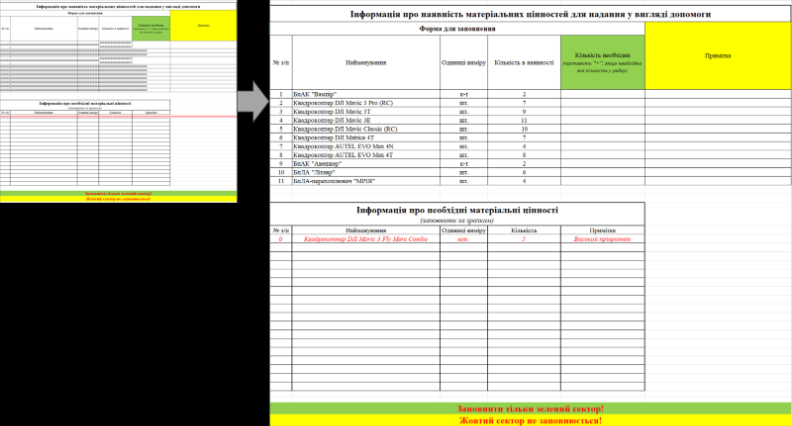
| PrismexSheet | Malicious Excel entry point; triggers exploit on file open |
| PrismexDrop | Dropper stage; establishes persistence via COM hijacking |
| PrismexLoader | Extracts encrypted payload hidden inside PNG images (steganography) |
| PrismexStager | Connects to attacker-controlled C2 infrastructure; receives tasking |
Technical Details
- Initial Access: Spear-phishing emails are themed around military logistics, weapons deliveries, or official communications to maximize victim relevance; attachments appear as legitimate Excel reports or briefings
- Exploitation: Opening the malicious Excel file triggers CVE-2026-21509 (and potentially CVE-2026-21513 as a zero-day) to execute embedded shellcode without requiring macro enablement
- Dropper (PrismexDrop): Writes persistence entries by hijacking legitimate COM object registrations in the Windows registry; subsequent system events (logon, application launch) silently re-execute the malware without any visible scheduled tasks or services
- Steganography (PrismexLoader): Malicious payload is concealed within PNG image files using steganographic techniques; PrismexLoader reads and decrypts the hidden payload from these images, evading signature-based detection tools that do not inspect image files
- Fileless Execution (PrismexStager): The final payload is loaded and executed entirely in memory, leaving no files on disk that could be detected by traditional antivirus solutions
- C2 via Cloud Abuse: PrismexStager communicates with attacker-controlled infrastructure hosted on legitimate cloud services (Filen.io), blending malicious traffic with ordinary HTTPS cloud service usage to evade network-based detection
- Data Collection & Exfiltration: The stager collects target intelligence (documents, credentials, keystrokes, screenshots) and exfiltrates encrypted data through the same cloud channel
- Detection Evasion: Combination of steganography, fileless execution, COM hijacking, and cloud C2 makes PRISMEX resistant to conventional endpoint, network, and SIEM detection rules
Attack Scenario
- Phishing Delivery: APT28 crafts targeted spear-phishing emails themed around Ukrainian military logistics, NATO supply chain updates, or official government communications; emails include a malicious Excel attachment
- Exploitation: Victim opens the Excel file; CVE-2026-21509 (and possibly CVE-2026-21513) is triggered, executing embedded shellcode without any macro prompt
- PrismexDrop Execution: Shellcode drops PrismexDrop, which modifies Windows COM object registry keys to achieve persistent, stealthy re-execution on every user session without creating detectable scheduled tasks or services
- Steganographic Payload Loading: PrismexLoader is invoked, locating PNG image files staged on disk or retrieved from attacker-controlled storage; hidden encrypted payloads are extracted and decrypted from within the image data
- In-Memory Execution: Decrypted payload is injected and executed entirely in memory by PrismexLoader, bypassing file-based AV/EDR scanning; no malicious executables are written to disk
- C2 Establishment: PrismexStager beacons to attacker-controlled infrastructure via Filen.io or similar cloud services over encrypted HTTPS; attacker confirms access and begins tasking
- Intelligence Collection: Stager collects sensitive documents, credentials, screenshots, and keystroke data; surveys the network for high-value targets and connected systems
- Exfiltration & Persistence: Collected data is encrypted and exfiltrated through the cloud C2 channel; COM hijacking ensures the malware survives reboots and persists for long-term access even if the original Excel file is deleted
Impact Assessment
- Persistent Foothold: COM hijacking provides reboot-surviving persistence without requiring privileged installation or detectable artifacts like scheduled tasks or services
- Fileless Evasion: In-memory execution bypasses most signature-based antivirus and endpoint protection solutions
- Steganographic Concealment: Payload hidden in PNG images evades network inspection tools and file-based detection, complicating forensic analysis
- Cloud C2 Evasion: Use of legitimate cloud services for C2 and exfiltration blends malicious traffic with normal business activity, defeating network-layer detection
- Long-Term Access: Combination of techniques enables APT28 to maintain persistent, undetected presence inside target networks for months or years
- Military Intelligence Theft: Targeting of Ukrainian and NATO-linked military and logistics entities enables collection of sensitive operational data, supply chain details, and strategic planning documents
- Supply Chain Visibility: Monitoring of logistics operations supporting Ukraine provides real-time intelligence on weapons deliveries, troop movements, and resource allocation
- NATO Operations Exposure: Breaching NATO-aligned entities risks exposure of alliance-level coordination, shared intelligence, and coalition planning
- Pre-Positioning for Disruption: Long-term implants inside critical infrastructure networks may serve as pre-positioned access for future destructive or disruptive operations
- Geopolitical Intelligence Value: Collected data supports Russian military decision-making and foreign policy operations during an active conflict environment
- Silent Breach Risk: Organizations may be compromised for extended periods with no visible indicators; fileless + steganography techniques defeat most standard monitoring
- Credential Compromise: Harvested credentials can be used to access additional systems, escalate privileges, or enable follow-on attacks
- Data Loss: Sensitive documents, personnel records, logistics data, and operational plans may be exfiltrated without detection
- Incident Response Complexity: Detecting and eradicating a multi-stage, fileless, COM-hijacking implant requires specialized forensic capability beyond standard IR tooling
- Partner Network Risk: Compromise of one NATO-linked entity may expose partner organizations through shared credentials, VPNs, or trusted network relationships
Mitigation Strategies
Technical Controls
- Patch Microsoft Office Immediately: Apply all available patches for CVE-2026-21509 and CVE-2026-21513; prioritize any system with Microsoft Excel exposure to external files
- Disable or Restrict Macros: Enforce Group Policy to block macros in Office files received from external sources; deploy Attack Surface Reduction (ASR) rules via Microsoft Defender to block Office applications from creating child processes
- Monitor COM Object Modifications: Implement registry monitoring (Sysmon EventID 13) for changes to COM object keys in
HKCU\Software\Classes\CLSID; alert on any modifications made by Office processes or unknown executables - Inspect Outbound Cloud Traffic: Monitor and alert on outbound HTTPS connections to cloud storage services (Filen.io, Dropbox, OneDrive) from endpoints that do not normally access them; implement DNS filtering for unapproved cloud services
- Deploy EDR/XDR Solutions: Use endpoint detection and response tools capable of detecting fileless/in-memory execution, process injection, and anomalous in-memory activity; ensure memory scanning is enabled
- Steganography Detection: Deploy network or email scanning capable of detecting steganographic content in image files; inspect PNG attachments and image downloads from untrusted sources
Security Practices
- User Awareness Training: Conduct targeted phishing awareness training for personnel likely to receive military/logistics-themed lures; simulate spear-phishing exercises with realistic APT28-style pretexts
- Network Segmentation: Isolate critical systems (military networks, logistics platforms, classified environments) from general enterprise networks; limit lateral movement blast radius if an endpoint is compromised
- Zero Trust Architecture: Apply zero trust principles — enforce least-privilege access, verify all connections, and assume breach; require re-authentication for sensitive resource access
- Threat Hunting: Proactively hunt for steganography-based payloads in image files on endpoints and network shares; search for unusual COM hijacking entries introduced by non-admin processes; look for beaconing patterns to cloud services
Resources
Open-Source Reporting
Last Updated: April 9, 2026