CVE-2026-24448 – Hard-coded Credentials in Industrial Network Devices
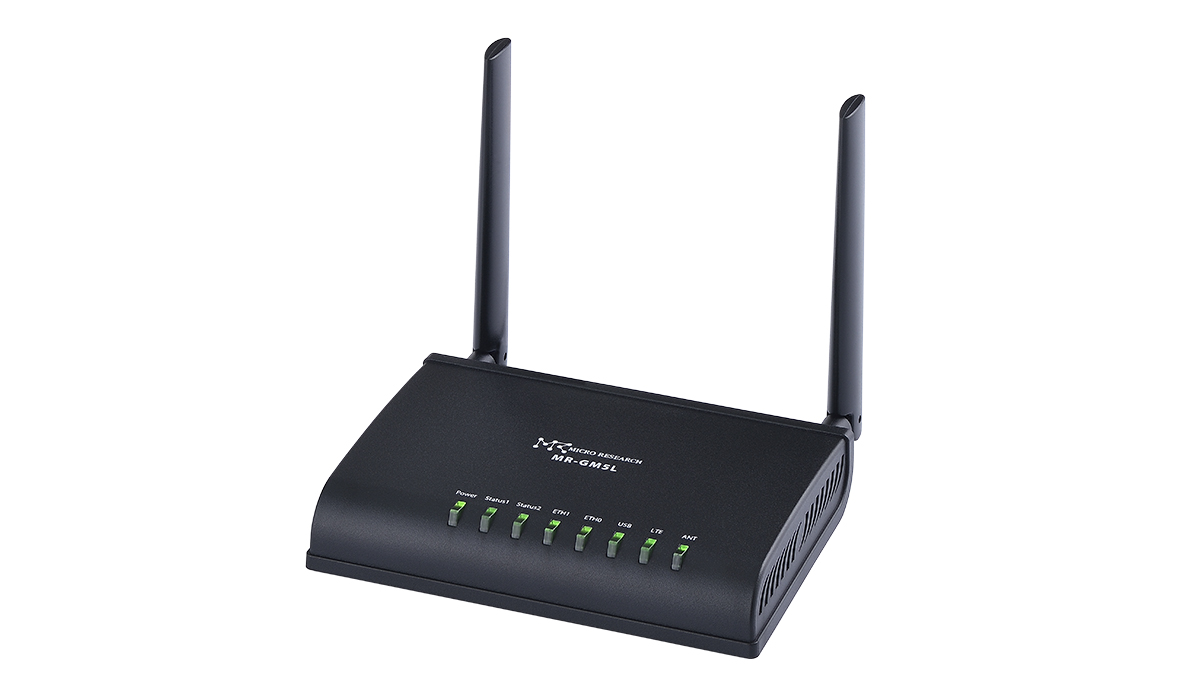
CVE-2026-24448 Hard-coded Credentials CWE-798 OT Network Risk
Overview
CVE-2026-24448 is a critical vulnerability affecting industrial networking devices, including MR-GM5L and MR-GM5A variants. The issue is caused by hard-coded administrative credentials embedded in device firmware.
An attacker who obtains these credentials can authenticate to the management interface without prior privileges and potentially alter configuration, disrupt industrial communications, or pivot deeper into operational networks.
Technical Specifications
| Attribute | Details |
|---|---|
| CVE ID | CVE-2026-24448 |
| Vulnerability Type | Use of hard-coded credentials (CWE-798) |
| Attack Vector | Network |
| Privileges Required | None |
| User Interaction | None |
| Affected Models | MR-GM5L-S1, MR-GM5A-L1 |
| Primary Weakness | Embedded static administrative credentials in firmware |
| Potential Outcome | Unauthorized admin-level access to device management interface |
Affected Products
- MR-GM5L-S1 industrial networking devices
- MR-GM5A-L1 industrial networking devices
- Deployments exposing management interfaces to untrusted/internal flat networks
- OT environments lacking strict segmentation and access control
- Status: Vulnerable until vendor firmware mitigation is applied
Technical Details
Root Cause
- Administrative credentials are hard-coded in firmware images.
- Credential material is not unique per device or securely rotated.
- Attackers who recover embedded credentials can bypass normal authentication trust boundaries.
Exposure Conditions
- Reachability to management interface over network path.
- No prior compromise or user interaction required.
- Particularly high impact in industrial/OT contexts where device trust is elevated.
Security Implications
- Hard-coded credentials undermine identity assurance for device administration.
- Compromise of edge industrial networking devices can facilitate lateral movement and broader OT disruption.
Attack Scenario
-
Discovery:
- Attacker scans internet-facing or internal networks for exposed MR-GM5L/MR-GM5A devices.
-
Target Validation:
- Device model/firmware context is identified as vulnerable.
-
Credential Abuse:
- Embedded hard-coded credentials are used to authenticate to management interface.
-
Privilege Establishment:
- Administrative access is obtained on the device.
-
Post-Compromise Actions:
- Attacker changes configuration, monitors traffic, and may pivot to adjacent systems.
Impact Assessment
- Exposure of industrial network topology and sensitive operational configuration
- Potential visibility into traffic traversing affected devices
- Increased intelligence-gathering capability for follow-on attacks
- Unauthorized modification of device settings and routing/policy behavior
- Potential tampering with OT communication paths
- Elevated risk of trust compromise across connected control environments
- Potential service disruption from malicious config changes or device shutdown
- Risk of production impact in industrial environments dependent on stable networking
- Expanded blast radius if attacker pivots into additional OT assets
Mitigation Strategies
Immediate Actions
- Apply vendor firmware updates/remediation as soon as available
- Restrict management interface access to trusted IP ranges only
- Disable remote management where operationally unnecessary
Network and Access Hardening
- Segment OT networks from corporate and internet-facing zones
- Enforce strong access control policies and least privilege for device administration
- Introduce jump-host/VPN controls for administrative access pathways
Monitoring and Response
- Monitor login attempts and configuration changes on affected devices
- Alert on unusual administrative sessions from unexpected sources
- Conduct compromise assessment for exposed assets and rotate adjacent credentials if needed
Resources and References
Open-Source References
Last Updated: March 11, 2026