Hacking of ~120,000 IP Cameras in South Korea for Sale of Intimate Content
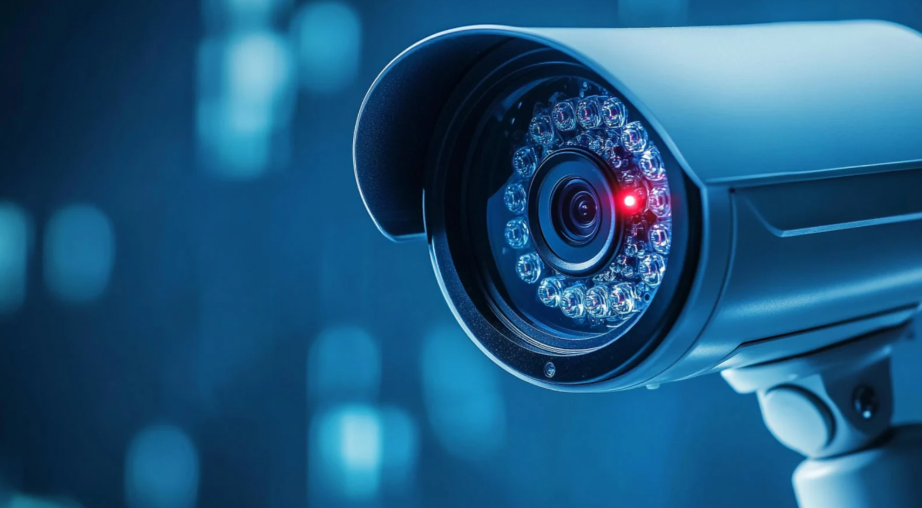
Mass IP Camera Hack
Privacy Violation
Sexual Exploitation
Overview
Four individuals were arrested by the Korean National Police Agency (NPA) for hacking over 120,000 IP cameras installed in private homes and commercial facilities.
The stolen video feeds were used to produce hundreds of sexually exploitative videos, which were sold or stored. Specifically: one suspect hacked ~63,000 cameras and sold 545 videos; another hacked ~70,000 cameras and sold 648 videos.
Some of the content reportedly involved underage victims (in at least one suspect's storage) — though the precise numbers or identities have not been publicly released.
The illicit material was sold through a foreign-based adult website; authorities are working with international partners to identify and shutdown the site, and to pursue legal action against viewers and buyers.
Technical Specifications
| Attribute | Details |
|---|---|
| Arrested Suspects | 4 individuals |
| Compromised Cameras | Over 120,000 IP cameras |
| Videos Sold | Suspect 1: 545 videos (~63,000 cameras), Suspect 2: 648 videos (~70,000 cameras) |
| Target Locations | Private homes and commercial facilities in South Korea |
| Distribution Method | Foreign-based adult website |
| Payment Method | Virtual assets (cryptocurrency) |
| Attack Method | Weak/default password exploitation, credential guessing, brute-force |
Technical Details
Target Devices
- Internet Protocol (IP) cameras that connect to home/business internet networks
- Cheap, widely deployed cameras in homes and businesses
- Many had default or weak passwords and exposed remote access
Attack Vector
The attackers exploited weak security practices: - Simple passwords or default/factory passwords - Repeated characters or easy alphanumeric combinations - Password reuse
Attack Method
- Not advanced zero-day exploits
- Rather through:
- Brute-force attacks
- Credential-guessing
- Password-reuse exploitation
- Exploitation of known/weak credentials on mass-deployed, unprotected IP cameras
Known Limitations
- No public disclosure (so far) of specific camera makes/models
- No firmware versions disclosed
- No technical Indicators-of-Compromise (IOCs) released in public reports
- Authorities did not release detailed technical information beyond "weak/simple passwords"
Attack Scenario
-
Target Selection: The attacker selects publicly accessible IP cameras (homes, businesses) — likely scanning IP ranges, or using known camera-port patterns.
-
Credential Attack: They attempt login using default credentials or weak/simple passwords (credential-guessing or brute-force).
-
Unauthorized Access: Upon successful login, they gain unauthorized access to the camera's video feed (live or stored).
-
Content Harvesting: They record or harvest footage (potentially over many cameras), then process/edit into "videos" for distribution.
-
Distribution: The footage is uploaded to an overseas adult/sex-exploitation website (or stored). The attackers receive payment in virtual assets (crypto).
-
Sales & Viewing: Site operators make the content available for purchase/viewing; buyers/viewers (including some in Korea) access the illegal content.
-
Law Enforcement Response: Authorities, via cyber-investigation and international cooperation, trace, identify, and arrest suspects — including some buyers/viewers — and begin takedown and victim notification.
Impact Assessment
- Very large privacy violation for potentially tens of thousands of households/businesses in South Korea
- Unauthorized surveillance of private spaces
- Non-consensual recording of intimate moments
- Creation and distribution of large volumes of non-consensual intimate/sexual content
- Some involving minors
- Psychological, reputational, legal harm to victims
- Criminal prosecutions: the hackers arrested
- Also arrests of some buyers/viewers
- Showing that viewing/possessing illicit content is also punishable
- Demonstrates the severe cybersecurity risks posed by unsecured IoT devices (home/business surveillance cameras)
- Undermines trust in IP-camera deployments if not properly secured
- Raises social and regulatory concerns over consumer-grade surveillance devices
- Privacy protections inadequate
- IoT security standards need improvement
- Consumer awareness of risks needed
Mitigations
🔒 Password Security
- Change default / factory passwords immediately upon installation
- Use strong, unique passwords (not simple or easily guessable ones)
- Avoid repeated characters or simple alphanumeric combinations
🌐 Network Access Control
- Disable remote access when not needed
- Restrict remote access (e.g., VPN, closed network, firewall rules) to reduce exposure
- Do not expose cameras directly to the internet
🔄 Firmware & Patching
- Regularly update firmware and apply security patches from camera manufacturers (if available)
- While the public reports do not detail firmware-based exploitation, general IoT-device hygiene requires timely patching
🏗️ Network Segmentation
- Segment IoT devices (such as cameras) on a separate network
- Isolate from more sensitive networks or devices
- Limit their internet exposure
- This helps mitigate large-scale compromise
📊 Monitoring & Detection
- Monitor network traffic for unusual outbound connections (if feasible)
- Detect possible exfiltration or unauthorized streaming
- Look for unexpected camera access patterns
🏛️ Policy & Regulatory Measures
For policy/regulators: encourage / require minimum security standards for consumer / commercial IP-camera manufacturers:
- Secure-by-default credentials
- Forced password change at first use
- Secure default configurations
- Firmware upgrade mechanisms
- Consumer education about IoT security
Resources & References
Media Coverage & Law Enforcement
- Korea arrests suspects selling intimate videos from hacked IP cameras
- Over 1.2 Lakh CCTVs Hacked In South Korea For Sexual Content Creation
- Four arrested in South Korea over IP camera spying spree • The Register
- Four arrested for hacking surveillance cameras to produce pornography
- Police have arrested those who hacked 120,000 IP cameras and sold them to foreign pornographic sites - MK