Exposed ICS/SCADA Devices Targeted by Iranian APTs (Censys Report)
ICS/SCADA Exposure Iranian APT Activity Rockwell/Allen-Bradley Critical Infrastructure Risk
Overview
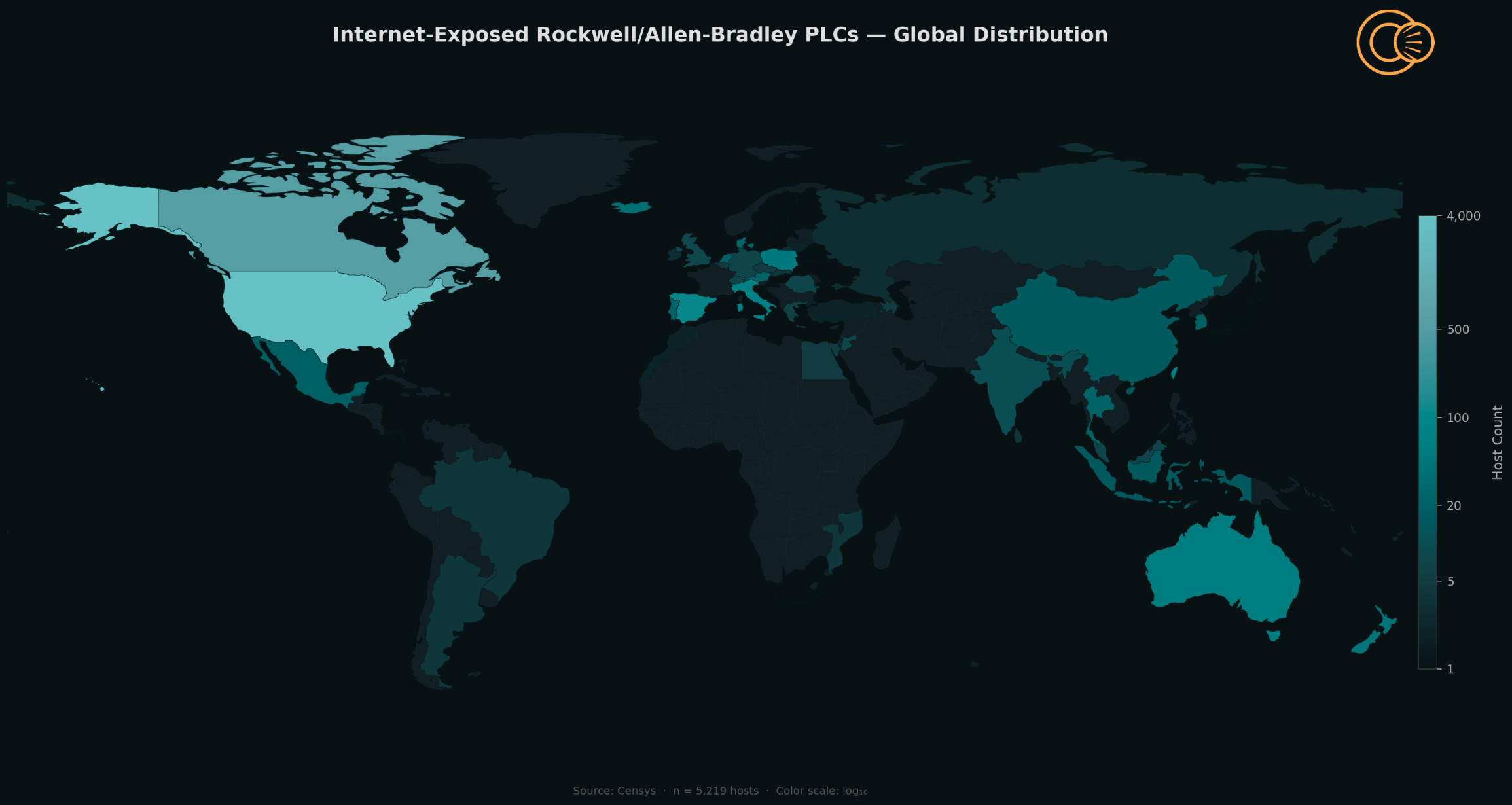
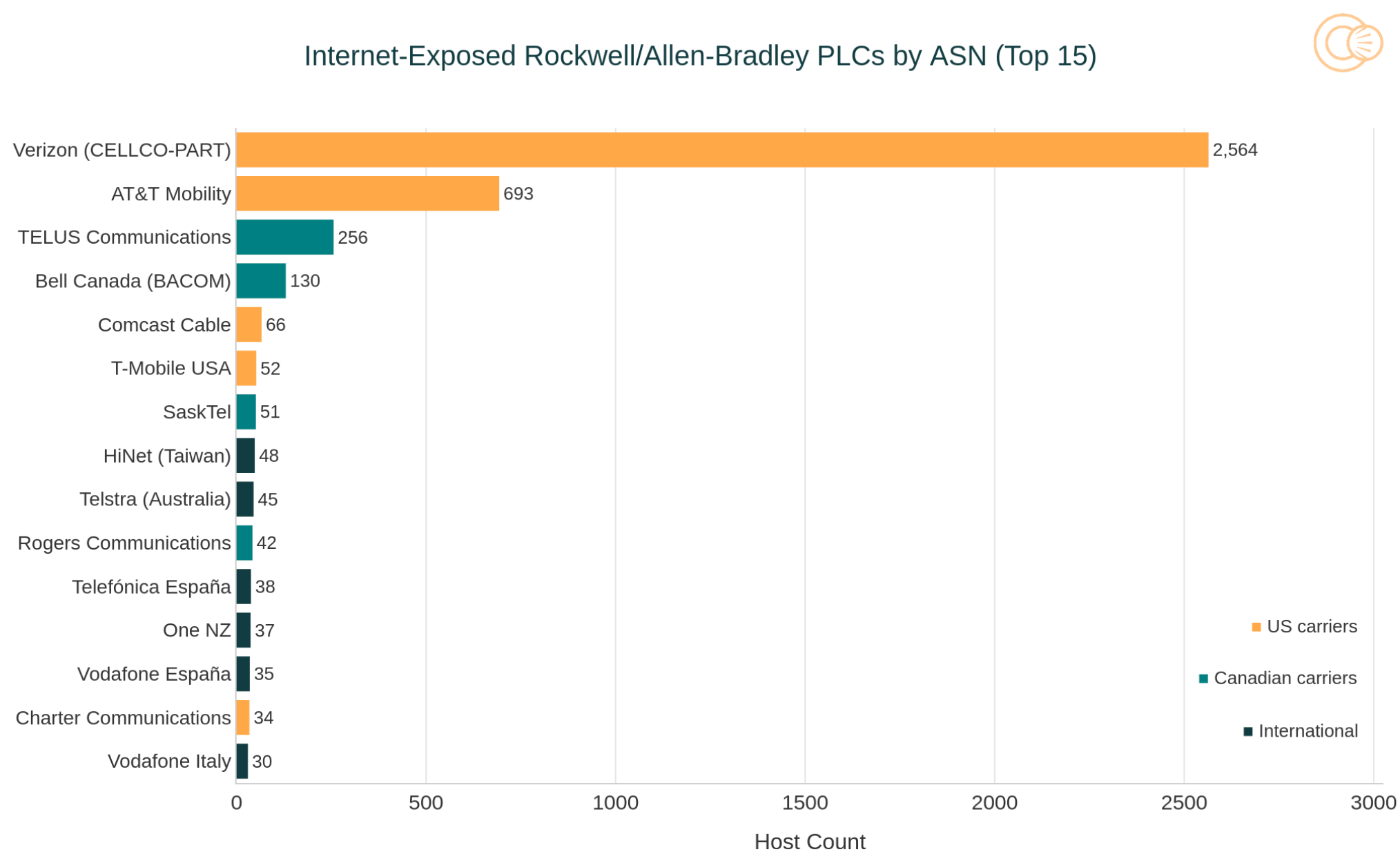
A Censys report identified 5,219 internet-exposed industrial control system (ICS) devices, with a large share associated with Rockwell Automation / Allen-Bradley PLC environments. The report indicates these exposed assets are being actively targeted by Iranian state-linked threat actors.
Direct internet exposure of operational technology systems significantly elevates the risk of unauthorized access, logic manipulation, and disruption of critical infrastructure operations.
Technical Specifications
| Attribute | Details |
|---|---|
| Incident Type | Internet-exposed OT/ICS attack surface with active nation-state targeting |
| Reported Exposure Count | 5,219 ICS devices (Censys reporting context) |
| Primary Protocol/Port | EtherNet/IP on TCP 44818 |
| Core Weakness | Insufficient authentication/segmentation enables identification and enumeration |
| Additional Exposed Services | VNC, Telnet, Modbus, and in some cases HTTP/FTP |
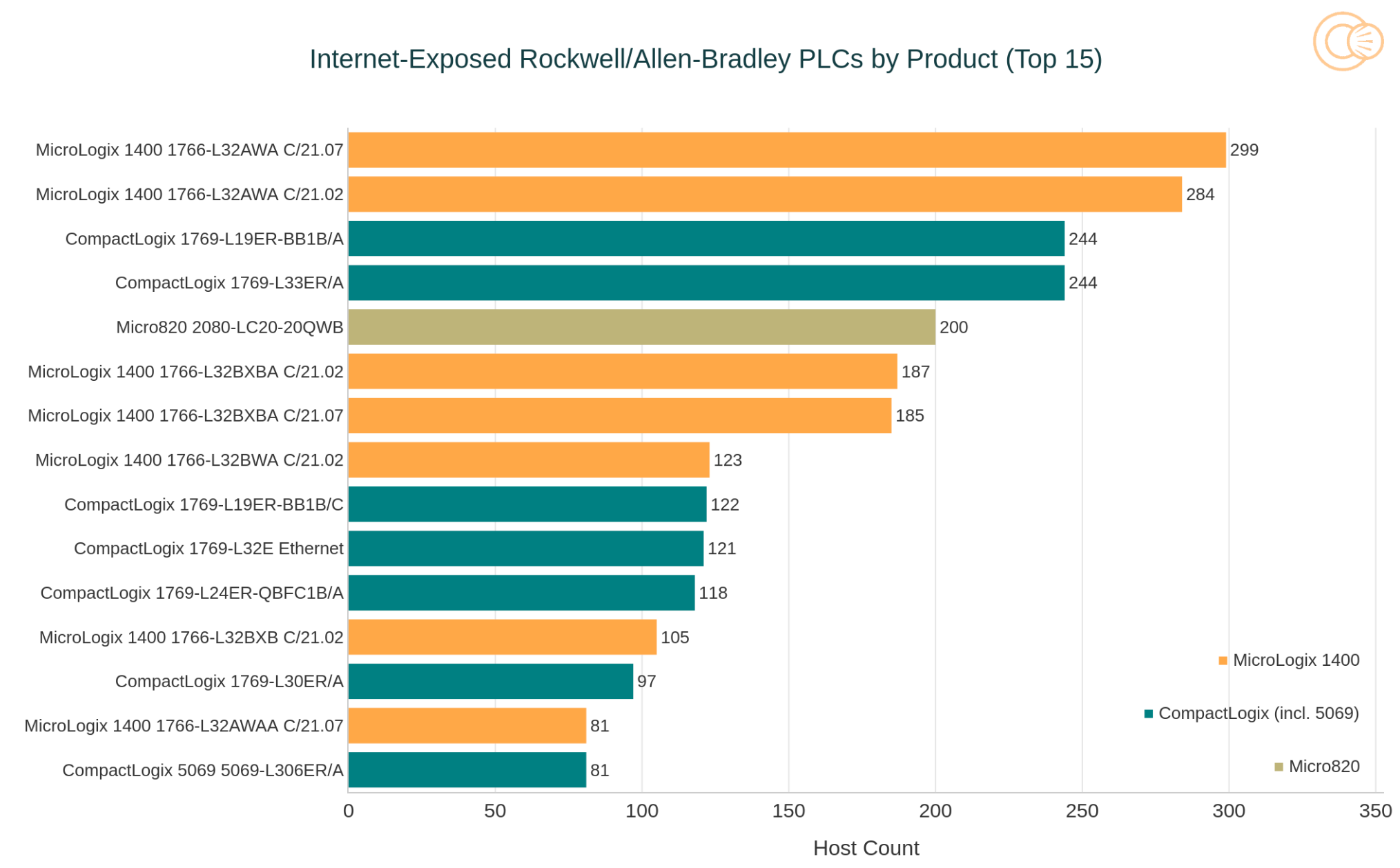
| Device Security Condition | Many systems running outdated firmware |
| Connectivity Paths | Public exposure via direct internet, cellular links, and satellite links (including Starlink scenarios) |
Affected Products
- Internet-exposed ICS/PLC devices, especially Rockwell/Allen-Bradley environments
- OT networks exposing management or industrial protocol services to untrusted networks
- Critical infrastructure operators in sectors such as power, water, and manufacturing
- Organizations with legacy OT firmware and weak remote-access controls
Attack Scenario
-
Reconnaissance: Threat actors scan the internet for exposed ICS/PLC services and open industrial ports.
-
Fingerprinting: Device type, firmware, and service posture are identified through protocol and banner analysis.
-
Initial Access: Attackers leverage weak or unsecured services such as Telnet/VNC or other exposed interfaces.
-
Control Manipulation: PLC logic/project files are uploaded or modified, and HMI/process behavior may be altered.
-
Operational Disruption: Adversaries can disrupt processes, degrade safety, or trigger physical-impact scenarios.
Impact Assessment
- Unauthorized modification of PLC logic and industrial control parameters
- Potential tampering with operational workflows and HMI representations
- Increased risk of manipulated process behavior across critical environments
- Exposure of industrial architecture, asset inventory, and operational metadata
- Leakage of sensitive process and infrastructure information
- Intelligence advantage for adversaries planning follow-on operations
- Disruption of electricity, water, manufacturing, and related critical services
- Potential physical equipment damage and prolonged recovery windows
- Financial losses from downtime, incident response, and service interruption
Mitigation Strategies
Immediate Actions
- Remove direct internet exposure of ICS/SCADA devices.
- Restrict remote connectivity to secured VPN paths with MFA.
- Disable unnecessary services such as Telnet and VNC.
Short-term Measures
- Implement strong firewalling and strict IT/OT network segmentation.
- Patch and update firmware on exposed/legacy devices based on risk prioritization.
- Harden authentication and access controls for engineering and remote-management interfaces.
Monitoring & Detection
- Monitor OT network traffic and logs for suspicious scanning, enumeration, and command activity.
- Alert on unauthorized logic/project file changes and unusual protocol behavior.
- Integrate OT telemetry into SIEM/SOC workflows for rapid triage and response.
Resources and References
Open-Source Reporting
- Censys finds 5,219 devices exposed to attacks by Iranian APTs, majority in U.S.
- Iranian-Affiliated APT Targeting of Rockwell/Allen-Bradley PLCs - Censys
- Iranian-Affiliated Cyber Actors Exploit Programmable Logic Controllers Across US Critical Infrastructure | CISA
- Nearly 4K industrial control devices vulnerable to Iran-linked hacking campaign | Cybersecurity Dive
- Nearly 4,000 US industrial devices exposed to Iranian cyberattacks
Last Updated: April 12, 2026