CVE-2026-3485 — OS Command Injection in SSDP Service of D-Link DIR-868L 110b03
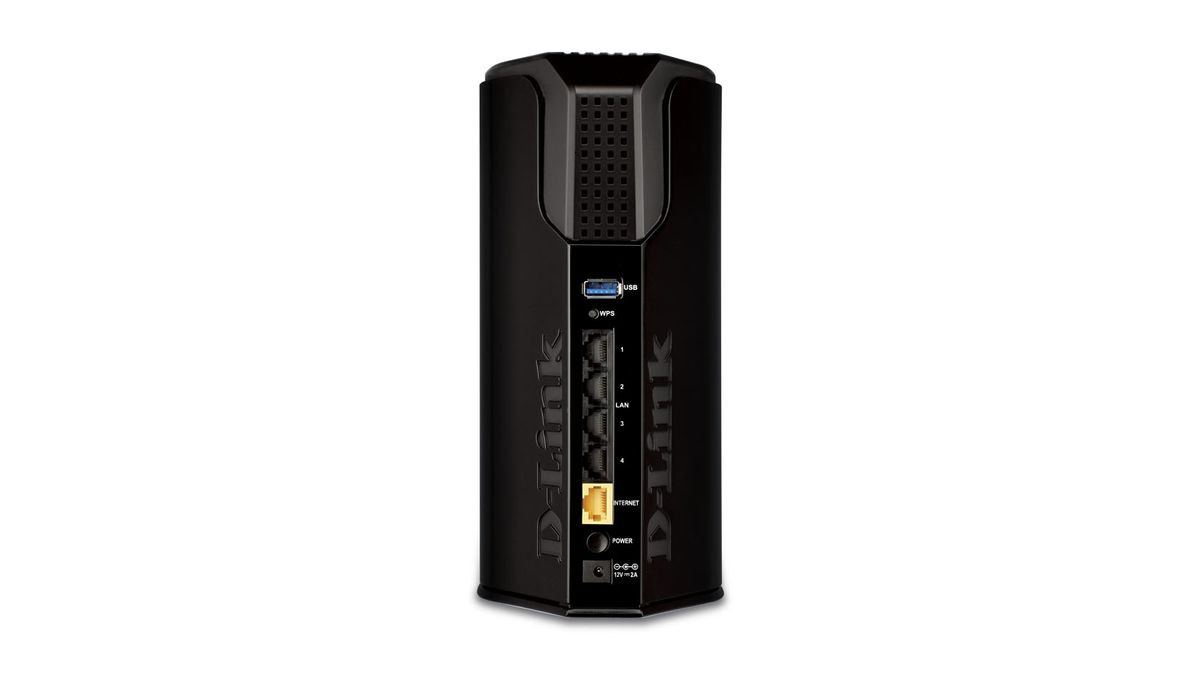
CVE-2026-3485 OS Command Injection SSDP/UPnP Unauthenticated RCE
Overview
CVE-2026-3485 is an OS command injection vulnerability in the SSDP service of D-Link DIR-868L firmware version 110b03. By manipulating the ST argument processed by function sub_1BF84, an attacker can inject shell commands that execute on the router.
Because SSDP/UPnP services are commonly reachable on local networks (and sometimes exposed more broadly due to misconfiguration), this flaw presents significant risk when vulnerable devices remain deployed.
Technical Specifications
| Attribute | Details |
|---|---|
| CVE ID | CVE-2026-3485 |
| Vulnerability Type | OS command injection |
| Severity | CVSS 9.8 (Critical) |
| Affected Product | D-Link DIR-868L |
| Affected Firmware | 110b03 |
| Affected Component | SSDP service (UPnP discovery path) |
| Vulnerable Function | sub_1BF84 |
| Authentication Requirement | None |
| Attack Vector | Network-reachable SSDP service |
Affected Products
- D-Link DIR-868L routers running firmware
110b03 - Deployments with SSDP/UPnP enabled and reachable from attacker-controlled network segments
- Environments where edge filtering/firewalling allows unintended SSDP exposure
- Status: Product support lifecycle concerns increase remediation risk
Technical Details
Vulnerability Mechanics
- The SSDP service processes the
STargument without proper sanitization. - Input passed into function
sub_1BF84can include shell metacharacters/command fragments. - Unsafe processing results in arbitrary OS command execution on the router.
Exposure Conditions
- SSDP is typically enabled for UPnP discovery on local networks.
- If filtering is weak or misconfigured, reachable attack surface may extend beyond intended boundaries.
- No authentication or user interaction is required once the vulnerable service is reachable.
Security Posture Concern
- The affected platform is reportedly no longer actively supported.
- Lack of official patch availability can create persistent long-term exposure.
Attack Scenario
-
Service Discovery:
- Attacker identifies a reachable DIR-868L target exposing SSDP service behavior.
-
Crafted Packet Delivery:
- Attacker sends specially crafted SSDP traffic with malicious
STparameter content.
- Attacker sends specially crafted SSDP traffic with malicious
-
Command Injection Trigger:
- Unsanitized input is processed and passed into command execution context.
-
Remote Code Execution:
- Arbitrary commands execute on router OS, potentially with root-level privileges.
-
Post-Compromise Actions:
- Attacker installs persistence, manipulates traffic, recruits device into botnet activity, or pivots into internal network assets.
Impact Assessment
- Full router compromise and unauthorized system command execution
- Malicious configuration changes to routing/firewall/DNS behavior
- Persistent backdoor deployment on gateway infrastructure
- Ability to intercept or redirect network traffic traversing the router
- Elevated risk of credential/session theft from connected devices
- Potential reconnaissance and compromise of internal hosts
- Service disruption or router instability from malicious command execution
- Use of compromised router in DDoS/botnet campaigns
- Increased outage risk in environments dependent on aging edge hardware
Mitigation Strategies
Short-Term Actions
- Disable SSDP/UPnP on affected routers where operationally feasible
- Remove vulnerable device exposure to untrusted networks, especially direct internet reachability
- Apply any available firmware updates if vendor releases related remediation
Long-Term Strategy
- Replace affected hardware with supported models receiving active security updates
- Segment legacy network devices away from critical assets and management zones
- Enforce strict ingress/egress filtering around consumer-grade edge equipment
Monitoring and Detection
- Monitor for suspicious SSDP traffic patterns and anomalous command execution indicators
- Alert on unexpected DNS/routing changes originating from router administration interfaces
- Inspect network telemetry for botnet-like beaconing or unusual outbound activity
Resources and References
Open-Source References
Last Updated: March 4, 2026