Evooo1Bot - Multi-Functional Mirai-Based Linux Botnet
Mirai Variant Linux Botnet SOCKS5 Relay Abuse SSH Brute Force DDoS + Proxy Operations
Overview
Evooo1Bot is a modular Linux botnet derived from Mirai that expands beyond classic DDoS-only behavior. In addition to flood capabilities, it supports SOCKS5 relay operations, SSH brute-force propagation, credential-sniffing, remote administration, and exploitation of known weaknesses on exposed edge devices.
A key risk is conversion of compromised routers and network-edge systems into persistent proxy nodes, allowing attackers to route malicious traffic through victim infrastructure and obscure source attribution.
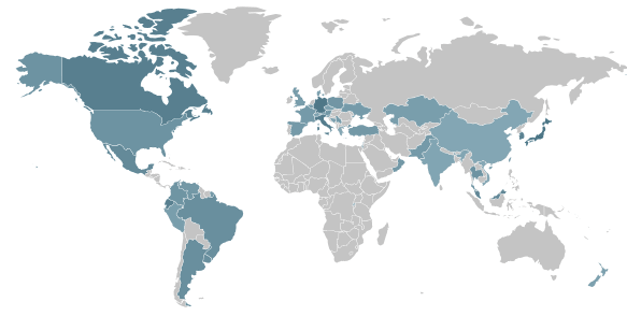
Technical Specifications
| Attribute | Details |
|---|---|
| Family | Mirai-derived modular Linux botnet |
| C2 Transport | Encrypted command-and-control over TCP/443 |
| Obfuscation Layers | AES-256-CTR, ChaCha20, XOR string/data obfuscation |
| Anti-Analysis Features | Checks for debuggers, sandboxes, VMs, and containerized analysis environments |
| Remote Command Capacity | 28 bot commands |
| Persistence Mechanisms | systemd, SysV init, shell profiles, rc.local, cron |
| Self-Recovery Behavior | Cron task can attempt payload re-download every 5 minutes |
| Proxy Capability | SOCKS5 module with direct and reverse relay modes |
| Propagation Module | SSH scanner using approximately 150 username/password pairs |
| Data-Theft Capability | Credential-sniffing via /proc/net/tcp monitoring |
| DDoS Engine | Mirai-style module supporting 16 flood methods |
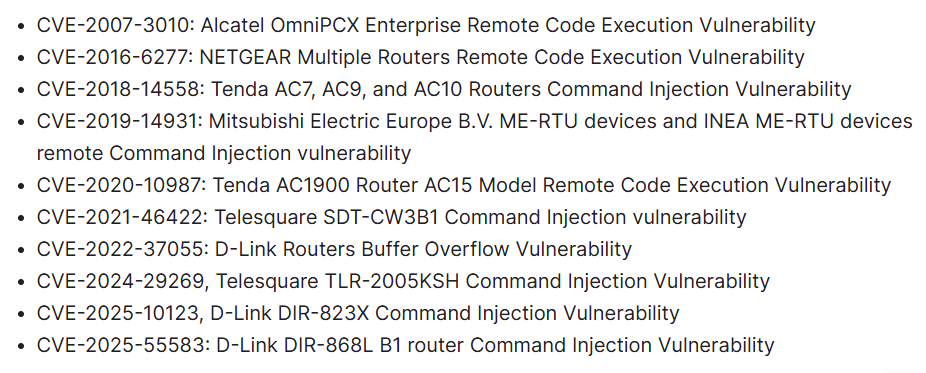
Affected Products
- Internet-facing Linux routers, gateways, and edge devices with weak hardening
- Systems exposing SSH or vulnerable services to untrusted networks
- IoT and network infrastructure devices with default or reused credentials
- Environments lacking monitoring for unauthorized proxy behavior and bot persistence
Attack Scenario
- Attackers scan internet-facing devices for vulnerable services.
- A known vulnerability or weak SSH credentials are exploited.
- A loader drops an architecture-specific Evooo1Bot payload.
- The malware establishes persistence and connects to encrypted C2.
- The compromised device joins the botnet.
- Attackers use the node for DDoS, credential collection, SSH propagation, or SOCKS5 relay to mask follow-on attacks.
Impact Assessment
- Compromised edge devices can be remotely controlled and re-tasked
- Bot operators may alter network behavior through proxy and command modules
- Persistence mechanisms make eradication harder and increase reinfection risk
- Credential-sniffing modules may expose authentication data
- Compromised devices can become stepping stones for deeper network access
- Proxy functionality may conceal additional data-theft operations behind victim IPs
- Infected nodes may participate in DDoS attacks, consuming local bandwidth/resources
- Unauthorized SOCKS5 relays can degrade network performance and stability
- Reputation damage and provider blocking may impact connectivity for victims
Mitigation Strategies
Immediate Actions
- Patch internet-facing routers, gateways, firewalls, and IoT devices promptly
- Replace default credentials with strong unique passwords
- Disable unnecessary WAN administration, Telnet, and exposed SSH services
Short-term Measures
- Restrict management interfaces to trusted networks or VPN-only access
- Segment IoT and network infrastructure from critical internal systems
- Replace unsupported or end-of-life devices that cannot be secured
Monitoring & Detection
- Monitor outbound traffic for unusual SOCKS/proxy behavior and suspicious external destinations
- Detect unexpected cron/systemd/init persistence changes
- Alert on abnormal SSH scanning or brute-force patterns originating from edge assets
Long-term Solutions
- Maintain continuous vulnerability management for edge/IoT assets
- Keep IPS/AV signatures current and block known malicious infrastructure
- Establish baseline behavior for network devices and automate anomaly detection
Resources and References
Public Reporting
Last Updated: August 16, 2026