Increasingly Complex Cyberattacks Targeting UAE and Saudi Arabia
UAE Saudi Arabia Gulf Threat Landscape RAT Activity Critical Infrastructure Risk
Overview
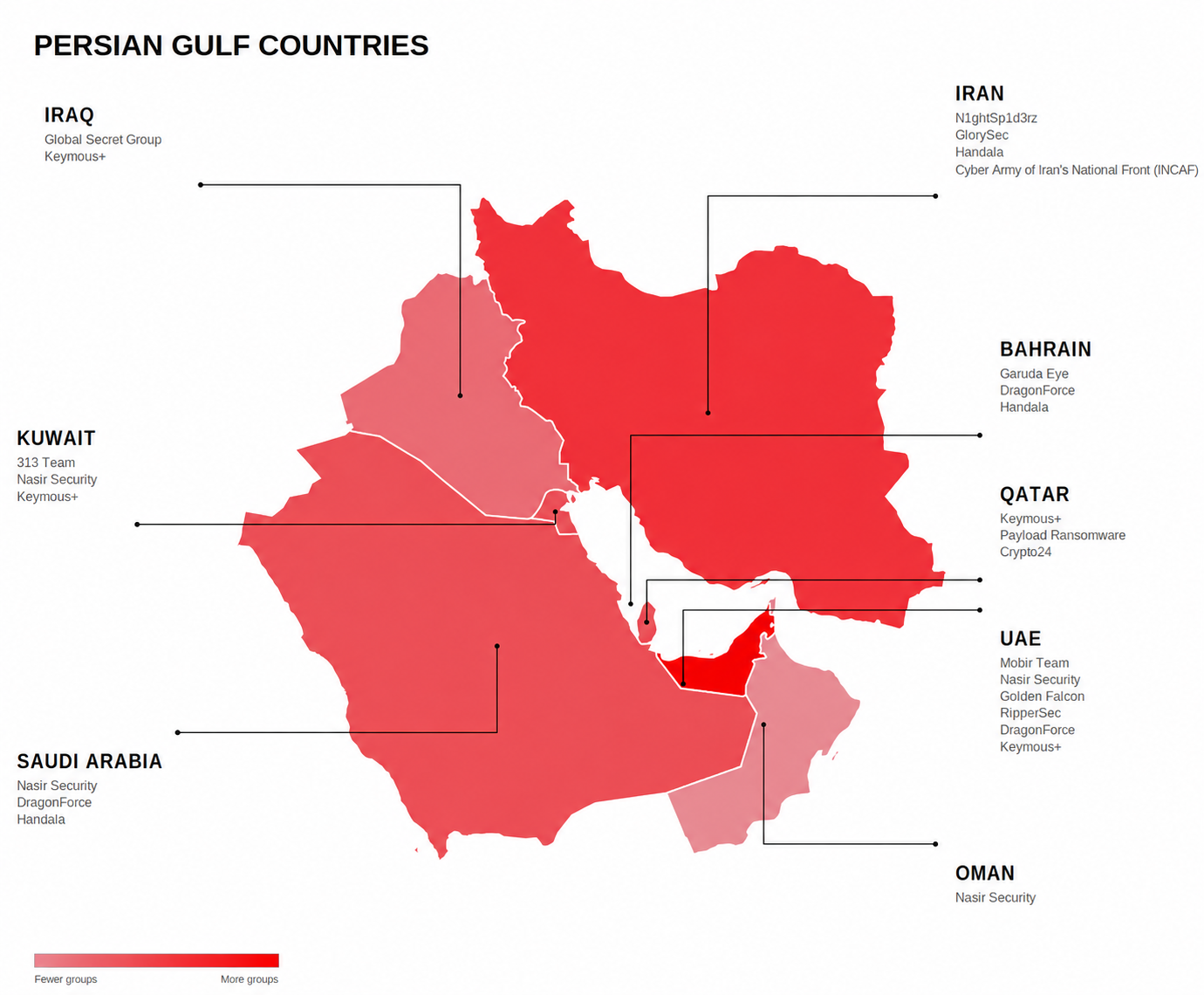
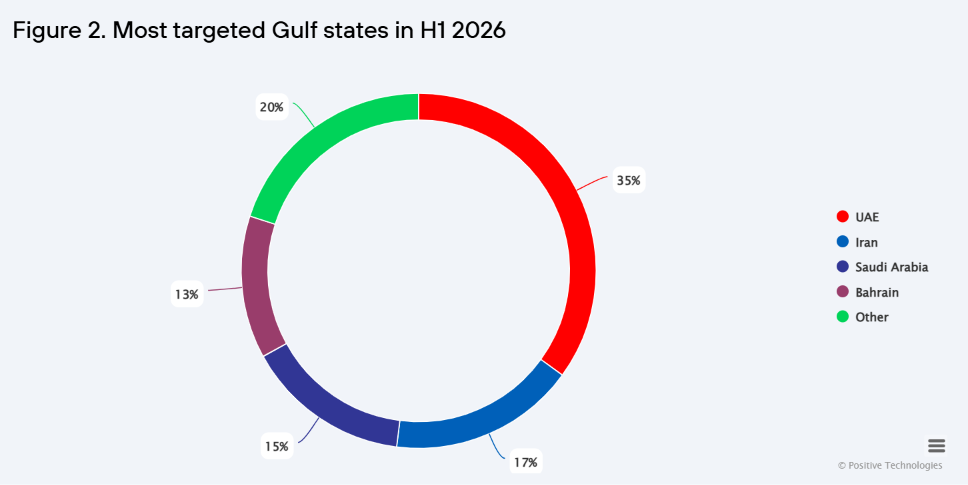
H1 2026 reporting indicates an elevated cyber-threat landscape across Gulf states, with the UAE accounting for 35% and Saudi Arabia for 15% of recorded incidents, representing a combined 50% share.
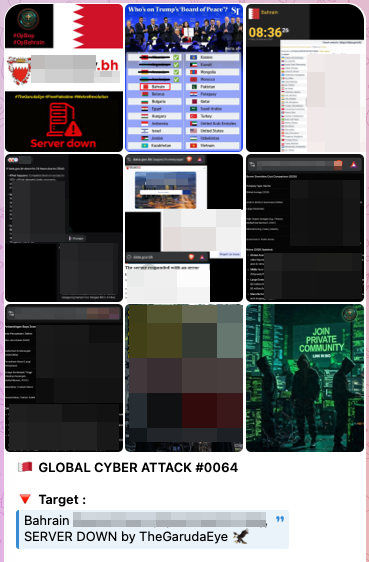
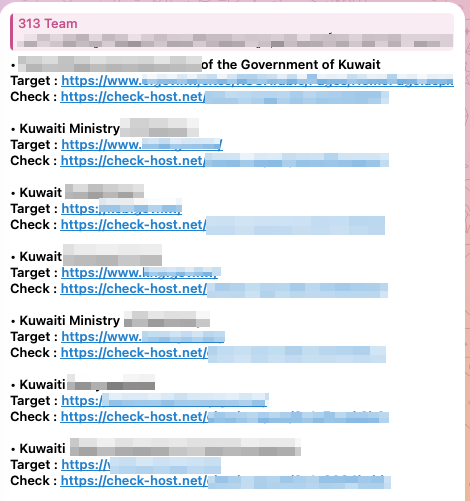
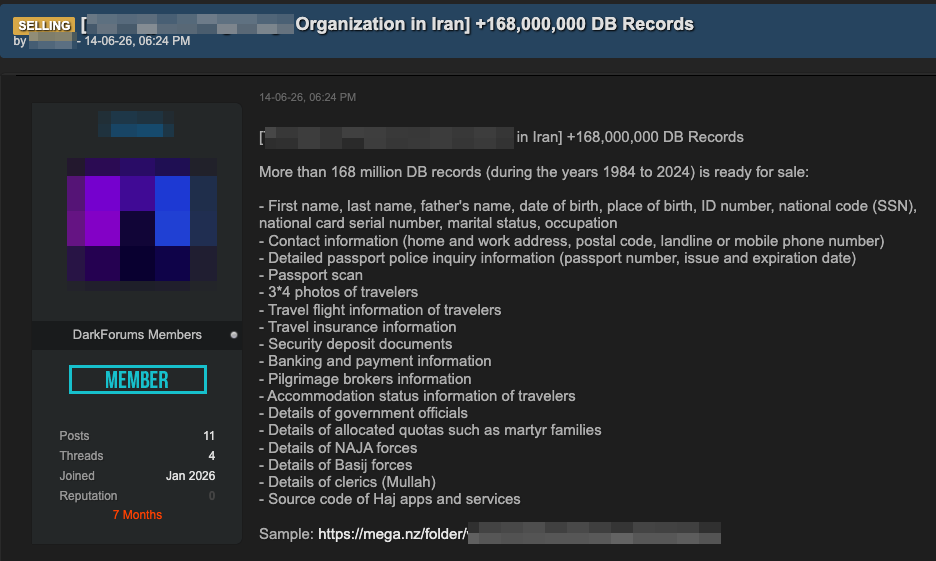
The observed activity spans financially motivated cybercrime, hacktivist operations, and state-aligned threat behavior, with increasing attack complexity and automation trends noted in regional analysis.
Technical Details
Reported Attack Methods
- Vulnerability exploitation: 38%
- Malware deployment: 31%
- Social engineering: 27%
Primary Target Categories
- Computers, servers, and network devices: 69%
- Web resources: 27%
- Employees: 25%
- IoT devices: 17%
Malware Composition (Reported)
- RAT families represented 43% of malware attacks.
- Ransomware represented 35%.
Technical Specifications
| Attribute | Details |
|---|---|
| Timeframe | H1 2026 |
| Geographic Focus | UAE and Saudi Arabia (plus wider Gulf context) |
| Dominant Initial Technique | Vulnerability exploitation |
| Top Technical Target Class | Computers/servers/network devices |
| Notable Malware Trend | High RAT prevalence with significant ransomware share |
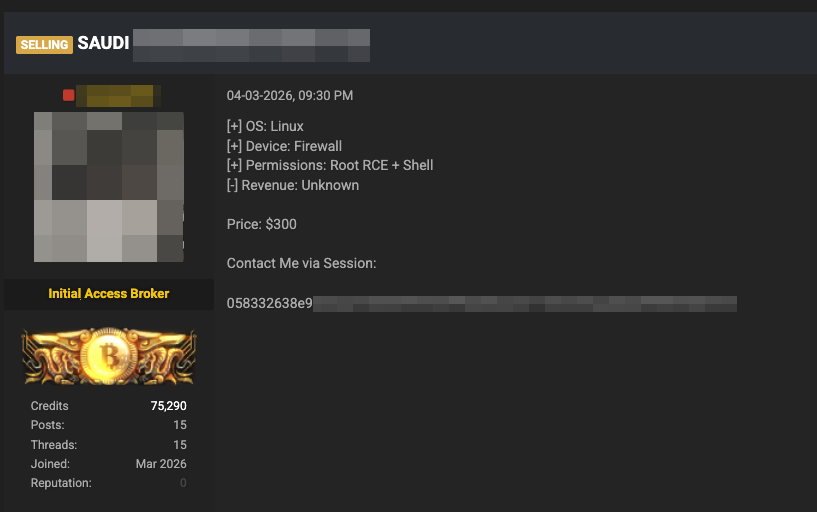
| Operational Concern | Potential pivot toward critical infrastructure/OT environments |
Affected Products
- Enterprise servers and endpoint fleets.
- Public-facing web platforms and digital services.
- Network/security infrastructure and management devices.
- IoT-connected operational and support assets.
- Personnel accounts and identity/access workflows affected by social-engineering campaigns.
Attack Scenario
- Attacker identifies vulnerable internet-facing or legacy assets.
- Vulnerability exploit or weak-credential abuse provides foothold.
- Malware payload (RAT/shell/ransomware precursor) is deployed.
- Persistence and credential collection are established.
- Lateral movement expands access across IT environment.
- Adversary reaches higher-value systems, potentially including critical infrastructure or OT/ICS-adjacent environments.
- Outcomes include data theft, espionage, ransomware impact, or operational disruption.
Impact Assessment
- Operational disruption cited in 58% of reported incidents
- Data breaches cited in 46%
- Damage to national interests cited in 29%
- Government organizations represented 27% of attacks
- Industrial organizations represented 17%
- High due to broad regional concentration, multi-actor threat diversity, and sustained exploitation of both IT and potentially OT-relevant environments
Mitigation Strategies
Reduce Exploitable Exposure
- Prioritize patching of internet-facing and critical vulnerabilities.
- Decommission or isolate legacy systems where feasible.
- Minimize exposed attack surface and enforce hardened baseline configurations.
Strengthen Identity and Access Controls
- Enforce strong authentication and MFA across privileged and remote access paths.
- Reduce standing privilege and apply least-privilege administration.
Segment and Monitor IT/OT
- Segment IT and OT networks with strict policy controls.
- Monitor OT-relevant traffic patterns and protocol anomalies.
- Limit trust and routing paths between business systems and operational environments.
Improve Detection and Preparedness
- Secure email and common malware-delivery channels.
- Continuously monitor IoT assets and unmanaged devices.
- Perform recurring security audits, penetration tests, cyber exercises, stress tests, and bug-bounty-informed hardening.
Resources and References
Public Reporting
Last Updated: September 29, 2026