Lynx+ Gateway Critical Vulnerabilities
Lynx+ Gateway Critical Vulnerabilities
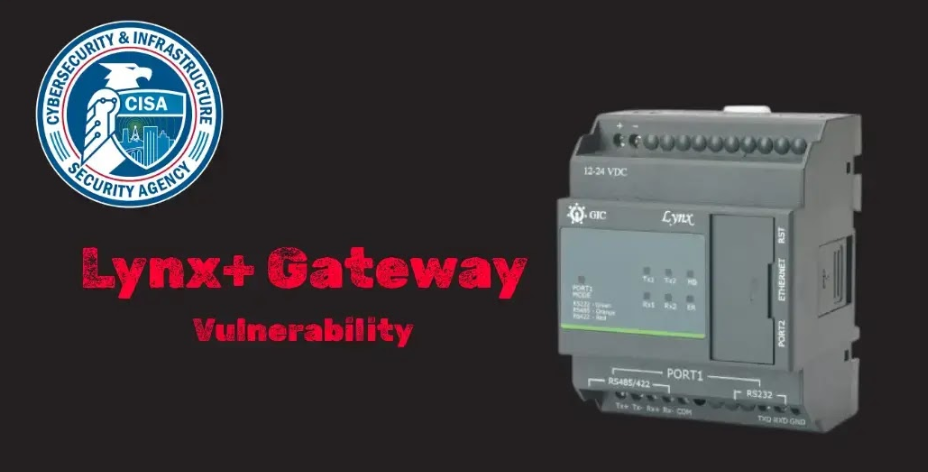
Unauthorized Access & Info Disclosure
CVSS 9.2 Critical
Overview
A critical security vulnerability in GIC Lynx+ Gateway devices allows remote attackers to gain unauthorized access, reset devices, exfiltrate sensitive information, and capture plaintext credentials. The vulnerabilities affect multiple versions (R08, V03, V05, V18).
Technical Specifications
| Attribute | Details |
|---|---|
| CVE ID | CVE-2025-55034, CVE-2025-58083, CVE-2025-59780, CVE-2025-62765 |
| Vulnerability Type | Weak Password Requirements, Missing Authentication, Information Disclosure, Cleartext Transmission |
| Attack Vector | Network, Remote/Passive, Over IP |
| Authentication | None required (multiple scenarios) |
| Complexity | Low |
| User Interaction | Not required |
| Affected Component | Lynx+ Gateway R08, V03, V05, V18 |
Technical Specifications
- Weak password requirements allow brute-force login (CVE-2025-55034)
- No authentication required for remote device reset (CVE-2025-58083)
- No authentication for device information disclosure endpoints (CVE-2025-59780)
- Credentials transferred in cleartext (CVE-2025-62765)
Affected Products
- Lynx+ Gateway R08
- Lynx+ Gateway V03
- Lynx+ Gateway V05
- Lynx+ Gateway V18
Attack Scenario
- Attacker connects to the same network as the Lynx+ device
- Exploits weak password requirements to brute-force login
- Remotely resets the device without authentication, causing denial-of-service
- Retrieves sensitive device information via unauthenticated HTTP GET requests
- Sniffs network traffic to capture credentials sent in cleartext
- Gains further access and potentially pivots into wider OT network
Impact Assessment
- Integrity: Full compromise of device configuration and operational logic
- Confidentiality: Exposure of sensitive device information and credentials
- Availability: Device/service disruption through remote reset (DoS)
- Network Security: Entry point for deeper OT network attacks, lateral movement, and critical infrastructure exposure
Mitigation Strategies
- Network Isolation: Never expose devices to the internet; place behind firewalls with strict rules
- Access Controls: Limit remote access to VPN-authenticated connections; segment OT from corporate IT
- Password Policy: Enforce strong passwords externally; monitor authentication logs
- Encryption: Encrypt all device communications where possible
- Monitoring: Deploy network monitoring for device access; alert on suspicious activity
- Updates: Track vendor updates/patches; apply firmware updates promptly
- Asset Inventory: Identify all affected devices in the environment
- Incident Response: Prepare procedures for potential compromise
Technical Recommendations
-
Immediate Actions:
- Restrict internet-facing access to control systems.
- Deploy firewalls between operational and other network segments.
- Utilize VPN solutions for any remote access.
- Document all devices and their network configurations.
- Monitor network activity for unauthorized access attempts.
- Establish incident response plans and procedures.
- Contact vendors directly for updates and patches if available.
-
Short-term Measures:
- Implement network segmentation to keep operational technology and corporate networks separate.
- Conduct thorough impact assessments before applying mitigation measures.
- Regularly audit and update firewall rules and vulnerability assessments.
-
Long-term Strategy:
- Plan for replacing unsupported or end-of-life devices, engaging with vendors for migration assistance.
- As of the advisory release, no public exploitation has been reported, but maintain vigilance for emerging threats.