SolarEdge SE3680H Contains Linux Kernel Vulnerabilities
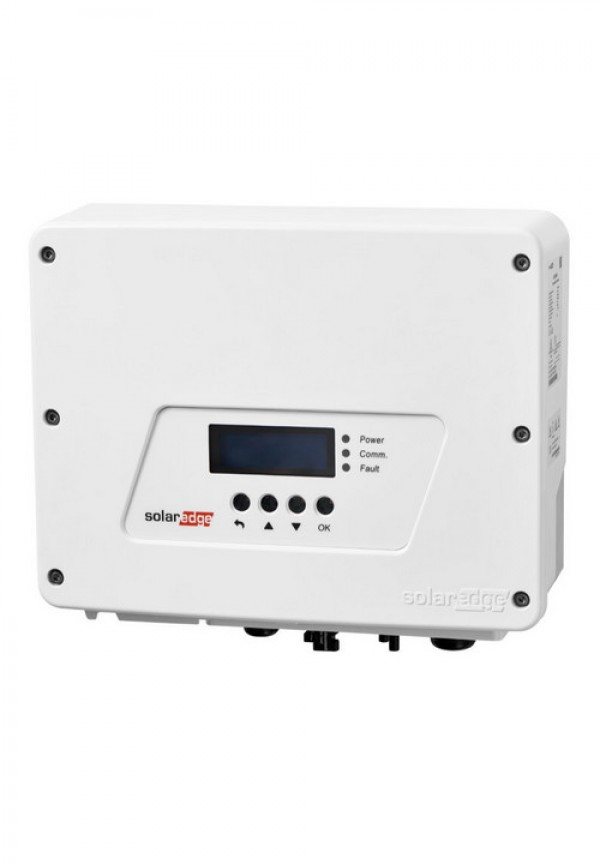
CVE-2025-36745 Unpatched Linux Kernel Remote Code Execution
Overview
CVE-2025-36745 affects the SolarEdge SE3680H solar inverter, a device shipped with an outdated and unpatched Linux kernel containing multiple vulnerabilities in core subsystems. The use of unmaintained third-party software introduces critical security defects that allow attackers with network or local access to exploit the device. These flaws may enable remote code execution, privilege escalation, information disclosure, and denial of service. The vulnerability poses risks to solar power generation operations, grid stability, and broader network security if used as a pivot point for lateral movement.
Technical Specifications
| Attribute | Details |
|---|---|
| CVE ID | CVE-2025-36745 |
| Vulnerability Type | Use of Unmaintained Third Party Components (CWE-1104), Multiple Linux Kernel Vulnerabilities |
| Attack Vector | Network / Physical |
| Authentication | None required |
| Complexity | Low |
| User Interaction | Not required |
| CVSS v4.0 Score | ~8.6 (High) |
| Affected Component | Linux Kernel in SolarEdge SE3680H inverter |
Affected Products
- SolarEdge SE3680H solar inverter
- Vulnerable Versions: Up to firmware version 4.21 (with outdated kernel)
- Status: Firmware updates required from vendor
- Deployment: Residential, commercial, and utility-scale solar installations
Vulnerability Details
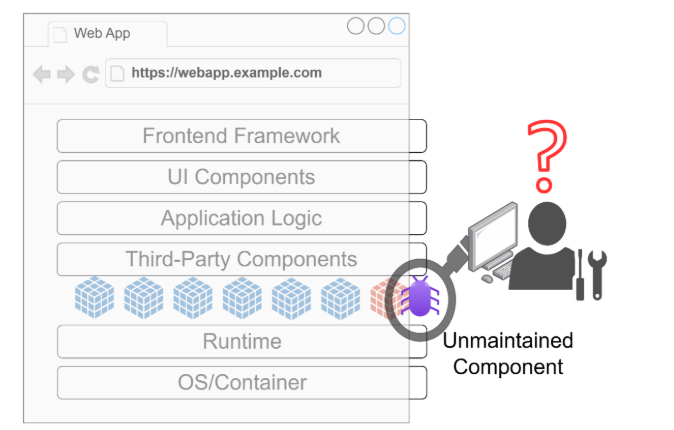
Root Cause: Unmaintained Third-Party Components (CWE-1104)
The fundamental issue is the use of an outdated, unmaintained Linux kernel that contains multiple known security vulnerabilities. When manufacturers ship products with outdated third-party components (like operating system kernels), they inherit all the security flaws present in those components.
Multiple Kernel Vulnerabilities
The outdated Linux kernel in the SE3680H contains unpatched vulnerabilities affecting:
- Memory Management: Potential for buffer overflows and memory corruption
- Network Subsystems: Vulnerabilities in TCP/IP stack and network drivers
- File System Handlers: Flaws in file system processing
- Device Drivers: Unpatched driver vulnerabilities
- Process Management: Privilege escalation vectors
Exploitation Capabilities
Due to the multiple unpatched kernel vulnerabilities, attackers can:
- Execute Arbitrary Code Remotely: Exploit network-facing kernel vulnerabilities
- Escalate Privileges: Gain root/administrator access from unprivileged contexts
- Access Sensitive Information: Read device configurations, operational data, credentials
- Cause System Instability: Trigger crashes or denial of service conditions
- Persist Access: Install backdoors or malicious firmware
Attack Scenario
- Discovery: Attacker identifies a SolarEdge SE3680H inverter accessible on a network via management interfaces exposed internally or externally (common in solar monitoring systems)
- Access: Using network access (or local access if directly connected), attacker targets known vulnerabilities in the device's outdated Linux kernel
- Exploit: Attacker triggers a vulnerable kernel subsystem (e.g., network stack, device driver) to achieve remote code execution or privilege escalation
- Privilege Escalation: If initial access is limited, attacker exploits kernel vulnerabilities to gain root privileges on the device
- Post-Compromise: With elevated privileges or remote shell access, attacker reads sensitive operational data, interferes with device control or stability, or uses the compromised inverter to move laterally within the network
Impact Assessment
- Unauthorized modification of inverter configurations
- Manipulation of power generation settings
- Alteration of operational parameters
- Firmware tampering and backdoor installation
- Compromise of device control logic
- Exposure of operational metrics and performance data
- Access to network configurations and credentials
- Disclosure of solar installation topology
- Leakage of customer and site information
- Access to monitoring and telemetry data
- Disruption of power generation operations
- System crashes and denial of service
- Loss of inverter functionality
- Service interruption affecting energy production
- Potential for coordinated outages across multiple installations
- Grid Stability Concerns: Large-scale exploitation could affect grid stability if multiple inverters are compromised
- Safety Risks: Manipulation of inverter parameters could create electrical safety hazards
- Economic Impact: Disruption of power generation results in revenue loss
- Environmental Impact: Reduced renewable energy production
- Reliability: Loss of confidence in solar infrastructure security
- Lateral Movement: Compromised inverters can be used as pivot points for broader network attacks
- Persistent Presence: Inverters are often overlooked in security monitoring, providing persistent access
- Distributed Attacks: Multiple compromised inverters can be used for botnet or DDoS activities
- Supply Chain: Vulnerability in widely deployed solar equipment affects many organizations
Mitigation Strategies
🔄 Immediate Actions
- Contact SolarEdge: Reach out to SolarEdge support for updated firmware with patched kernel or security fixes
- Firmware Updates: Apply any available firmware updates immediately
- Network Isolation: Isolate SE3680H devices on segmented networks with strict access controls
- Access Audit: Review and document all network access paths to inverter devices
- Monitoring Deployment: Implement logging for all access to inverter management interfaces
🛡️ Network Segmentation
- Dedicated VLAN: Place all solar inverters on dedicated, isolated network segments
- Firewall Rules: Implement strict firewall rules limiting access to inverter management interfaces
- Access Control Lists: Restrict management access to specific trusted IP addresses
- VPN Requirement: Require VPN access for any remote inverter management
- Internal-Only Access: Never expose inverter management interfaces to the Internet
🔒 Access Control
- Management Interface Restrictions: Limit management interfaces to trusted internal networks only
- Strong Authentication: Implement strong passwords and authentication mechanisms
- Privilege Management: Apply least-privilege principles for user access
- Regular Audits: Audit and review access permissions regularly
- Physical Security: Secure physical access to inverter network connections
Resources and References
Official Documentation
- CVE-2025-36745 - Exploits & Severity - Feedly
- NVD - CVE-2025-36745
- CWE - CWE-1104: Use of Unmaintained Third Party Components
- CVE-2025-36745 - SolarEdge SE3680H contains Linux Kernel vulnerabilities
- CVE-2025-36745: CWE-1104 — Use of Unmaintained Third Party Components in SolarEdge SE3680H | OffSeq Threat Radar
Critical Warning
This vulnerability affects solar power generation infrastructure with potential impacts on grid stability, safety, and energy production. The use of unmaintained software components represents a systemic security risk in solar equipment. Immediate network isolation and vendor engagement are essential.
Security Best Practice
For solar and renewable energy infrastructure security:
- Never expose solar equipment management interfaces to the Internet
- Isolate renewable energy systems on dedicated network segments
- Require vendors to provide security update roadmaps and support
- Include solar/renewable infrastructure in regular security assessments
- Deploy monitoring specific to operational technology environments