Iran-linked Cyber Espionage Campaign Targeting Internet-Connected Surveillance Cameras

Iran-Linked Activity IP Camera Targeting Reconnaissance Operations IoT Exposure
Overview
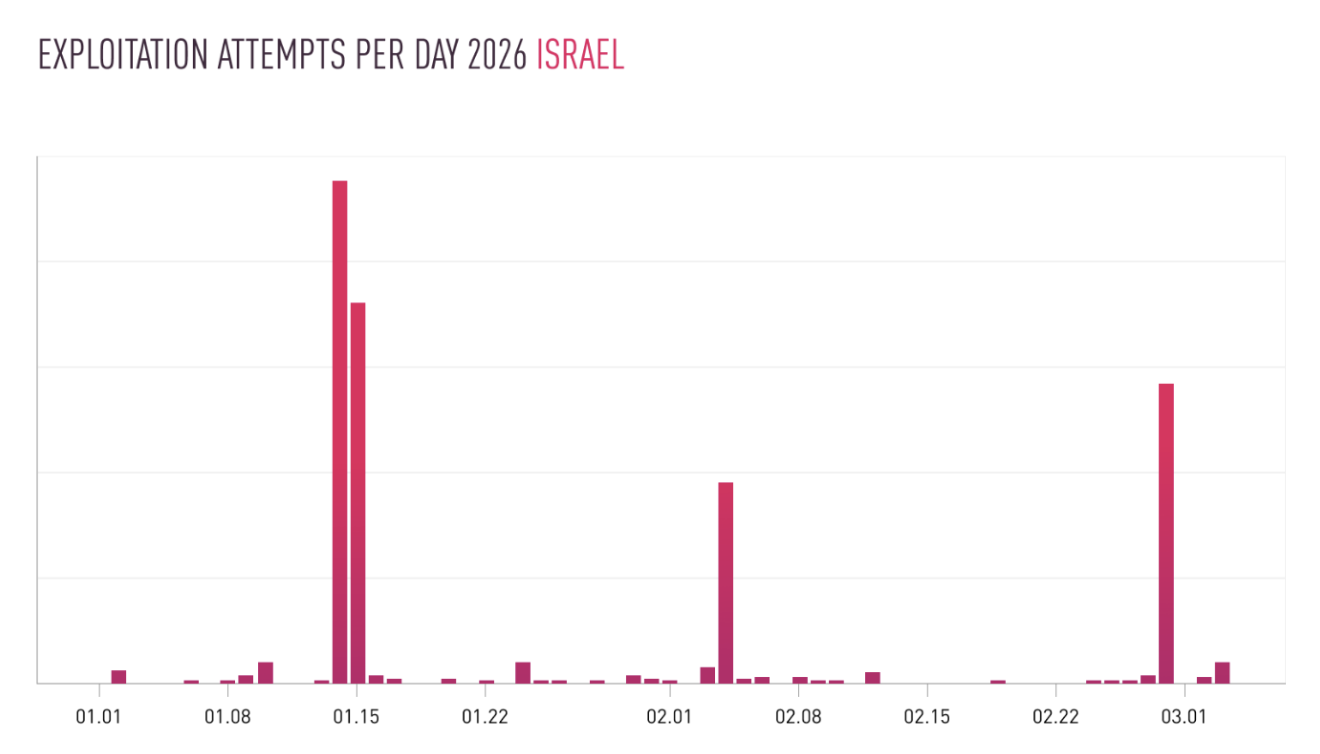
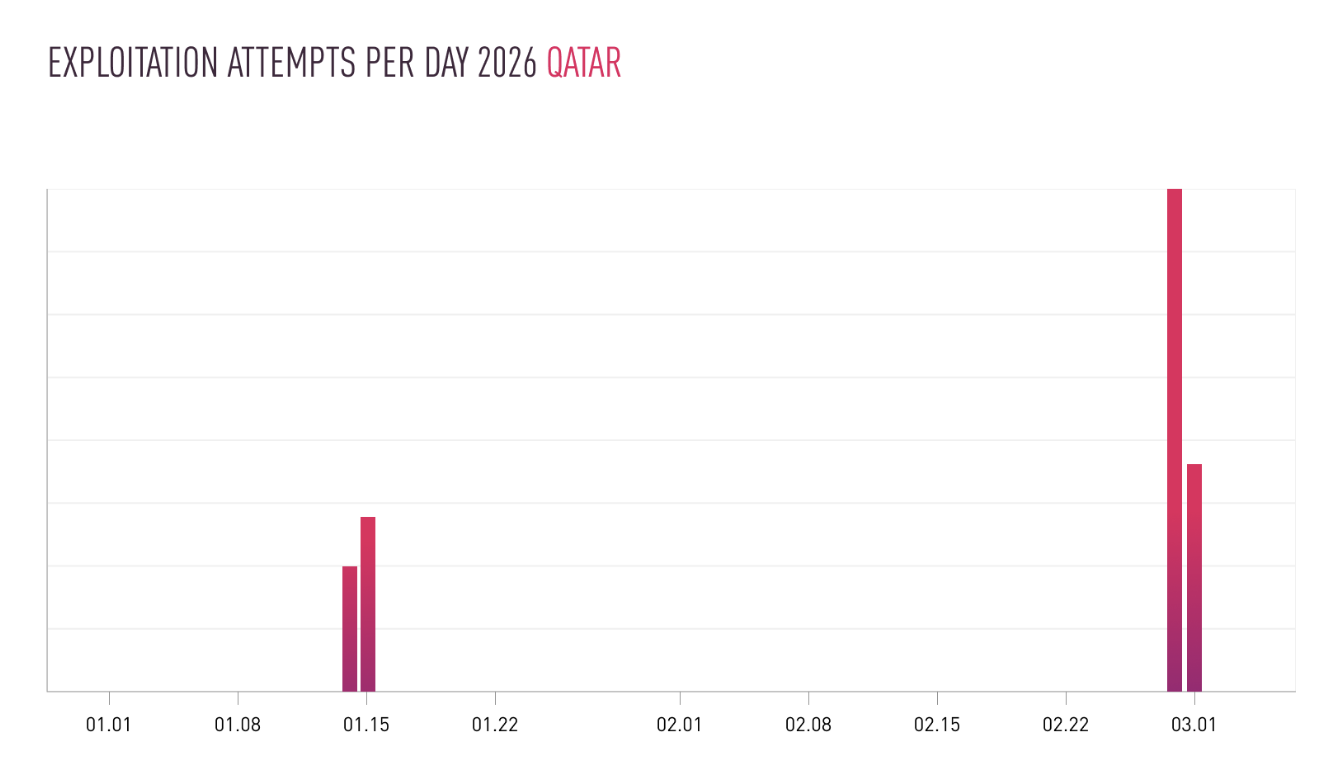
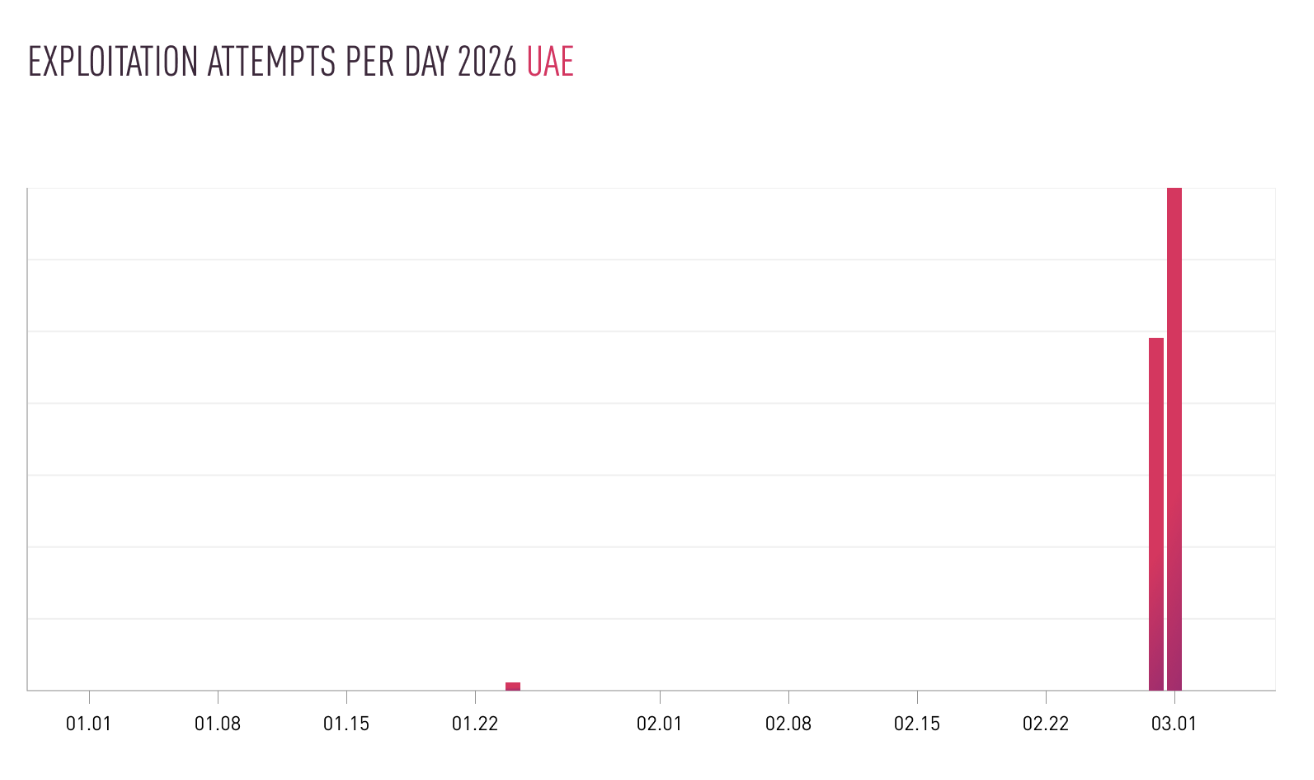
Researchers reported a surge in cyber-attack attempts associated with infrastructure linked to Iranian threat activity, targeting internet-connected surveillance cameras across multiple Middle Eastern countries. The objective appears to be unauthorized access to live/recorded video feeds from cameras in public spaces, infrastructure zones, and potentially sensitive locations.
The campaign aligns with conflict-driven reconnaissance goals, where compromised surveillance systems can provide real-time visibility for operational monitoring and intelligence collection.
Technical Specifications
| Attribute | Details |
|---|---|
| Campaign Type | Cyber espionage / reconnaissance via surveillance infrastructure |
| Primary Targets | Internet-exposed IP cameras in Middle Eastern regions |
| Vendors Highlighted | Hikvision, Dahua Technology |
| Likely Access Methods | Exploitation of known firmware flaws and weak/default credentials |
| Common Exposure Ports | 80 (HTTP), 443 (HTTPS), 554 (RTSP) |
| Typical Vulnerability Classes | Authentication bypass, command injection, RCE, insecure API paths |
| Attack Automation | Large-scale scanning and device fingerprinting |
| Mission Objective | Access live streams/recordings for situational and strategic intelligence |
Affected Products
- Internet-connected IP cameras and NVR-adjacent camera management surfaces
- Commonly deployed camera ecosystems from Hikvision and Dahua (per reporting)
- Devices with default credentials or weak authentication settings
- Cameras exposing management/streaming services directly to untrusted networks
- Status: Elevated regional risk where IoT surveillance is externally reachable
Technical Details
Initial Exposure Surface
- Many deployments expose camera management and streaming interfaces directly to the internet.
- Frequently reachable services include web management and RTSP endpoints.
- Weak segmentation often places cameras on routable or weakly filtered networks.
Exploitation Paths
- Attackers may leverage known firmware issues such as authentication bypass, command injection, remote code execution, or insecure API behavior.
- Credential-based compromise remains common where factory defaults or weak passwords persist.
- Misconfigured remote administration expands reachable attack surface.
Automation and Target Selection
- Automated scanners identify exposed devices at scale.
- Fingerprinting techniques classify vendor/model/firmware versions.
- Exploit attempts are then tailored to observed device profile and weakness type.
Post-Compromise Utility
- Unauthorized viewing of real-time and archived video streams.
- Monitoring of activity near strategic or sensitive locations.
- Potential support to physical-world planning and battle-damage assessment.
Attack Scenario
-
Mass Reconnaissance:
- Attacker scans internet ranges to locate exposed camera interfaces and RTSP services.
-
Fingerprinting:
- Identifies vendor/model/firmware to select suitable exploit or credential strategy.
-
Initial Compromise:
- Uses known vulnerabilities or weak/default credentials to obtain administrative access.
-
Feed Access and Persistence:
- Retrieves live/recorded video streams and may alter configuration for continued access.
-
Operational Intelligence Use:
- Monitors movement/activity near military, infrastructure, and transportation targets for ongoing situational awareness.
Impact Assessment
- Real-time observation of movement and response activity near sensitive sites
- Enhanced adversary awareness during active regional hostilities
- Potential use for battle-damage assessment and tactical planning
- Large camera fleets can become reconnaissance nodes if internet-exposed
- Compromised surveillance undermines physical-security trust models
- Potential pivot risk into adjacent network segments if controls are weak
- Unauthorized access to civilian and organizational video footage
- Exposure of location patterns, routines, and sensitive operational activity
- Broader data protection and compliance implications for affected operators
Mitigation Strategies
Network Protection
- Do not expose camera interfaces directly to the internet
- Use VPNs or secure gateways for remote administration access
- Segment IoT surveillance systems from critical IT and operational networks
Authentication Hardening
- Replace default credentials immediately
- Enforce strong unique passwords and account policy controls
- Enable multi-factor authentication where supported by platform
Firmware and Vulnerability Management
- Apply vendor firmware/security updates on a defined patch cadence
- Track vendor advisories for newly disclosed camera vulnerabilities
- Prioritize remediation for internet-reachable devices first
Monitoring and Detection
- Log and review camera access attempts and admin operations
- Deploy IDS/IPS visibility for anomalous traffic to camera subnets
- Restrict RTSP access to internal trusted zones and monitor unexpected stream pulls
Device Configuration Hygiene
- Disable unnecessary services and close unused ports
- Limit management endpoints to approved administration hosts
- Regularly audit configuration drift from secure baselines
Resources and References
Open-Source Reporting
- Interplay between Iranian Targeting of IP Cameras and Physical Warfare in the Middle East - Check Point Research
- 'Hundreds' of Iranian hacking attempts hit IP cameras • The Register
- Iran-Linked Hackers Target Surveillance Cameras Across Middle East, Researchers Say
- Iran-nexus hackers target flaws in surveillance cameras | Cybersecurity Dive
Last Updated: March 5, 2026