Iran Claims US Used Backdoors to Knock Out Networking Equipment During War
Nation-State Claim Supply Chain Security Hardware Backdoor Critical Infrastructure
Overview
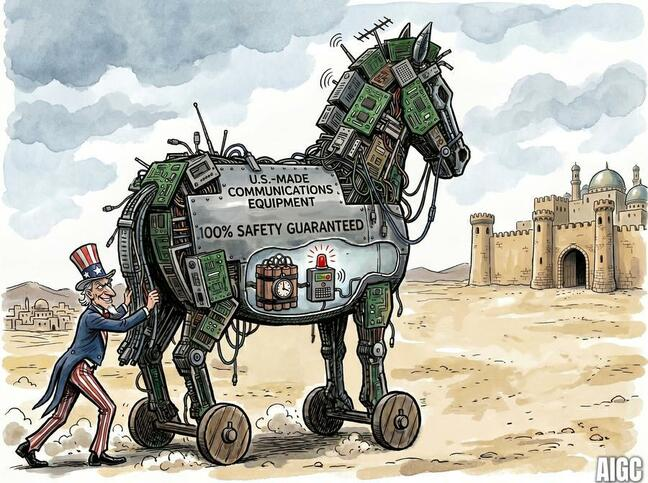
Iranian authorities claimed that widespread network disruptions affecting critical national infrastructure were caused by hidden backdoors embedded in foreign-made networking hardware and software. These alleged backdoors purportedly enabled external actors to infiltrate and remotely disrupt Iranian systems during a period of heightened geopolitical tensions and active cyber conflict. No publicly verified indicators of compromise or independent forensic evidence confirming the presence of intentional backdoors have been disclosed; alternative explanations include exploitation of known software vulnerabilities or weak network configurations.
Technical Specifications
| Attribute | Details |
|---|---|
| Claim Origin | Iranian government authorities |
| Alleged Mechanism | Backdoors embedded in imported networking hardware/software |
| Possible Vectors | Compromised firmware, hardware implants, undocumented remote access features |
| Attributed Actor | Foreign state adversary (US, per Iranian claim) |
| Affected Systems | National network infrastructure and critical communications |
| Observed Effect | Widespread service disruption and network outages |
| Forensic Evidence | No publicly disclosed IOCs or independent verification |
| Alternative Explanation | Exploitation of known CVEs or misconfigured network devices |
Affected Products
- Foreign-manufactured networking equipment deployed in Iranian national infrastructure (unspecified vendors)
- Network firmware and management software — alleged backdoor insertion point
- Critical national communications infrastructure
Attack Scenario
- Foreign networking hardware and software is imported and deployed within Iranian critical infrastructure
- Alleged backdoors — either pre-installed in firmware, embedded as hardware implants, or inserted via undocumented features — provide covert remote access capability
- External actors establish persistent, hidden footholds within the Iranian national network
- During active conflict, coordinated remote commands are issued through the backdoor channels
- Critical network systems experience controlled disruption: service outages and communications degradation
- Network failures spread across national infrastructure, amplifying operational impact
- Iranian authorities attribute the disruptions to foreign backdoor exploitation and make the claim public
Impact
- Widespread disruption of national network services and communications infrastructure
- Potential compromise of sensitive government and military systems co-located on affected networks
- Persistent covert access enabling ongoing surveillance or future disruption operations
- Difficulty in attributing and remediating hidden backdoors embedded at firmware or hardware level
- Escalation of the cyber dimension of the ongoing Iran conflict
- Increased pressure on Iran to reduce reliance on foreign-manufactured technology
- Demonstration (or claim) of supply-chain-level offensive capability by a nation-state actor
- Potential retaliatory cyber actions by Iran against adversary infrastructure
- Erosion of global trust in international technology supply chains
- Accelerates national efforts toward technology self-sufficiency and domestic hardware development
- Reinforces existing concerns about backdoors in networking equipment from geopolitically adversarial suppliers
- May drive policy changes on technology imports and vendor certification in conflict-affected regions
Mitigations
Technical Measures
- Conduct comprehensive supply chain security assessments for all imported networking hardware and software
- Perform regular firmware integrity verification against known-good cryptographic baselines
- Enforce network segmentation and strict access control to limit lateral movement if a compromise is achieved
- Implement Zero Trust Architecture — assume no device or connection is inherently trusted
- Deploy continuous network traffic monitoring to detect anomalous command-and-control patterns
Governance and Strategic Measures
- Establish a vetted, approved vendor list based on geopolitical risk assessment and supply chain transparency
- Enforce timely patching of known vulnerabilities in all network equipment to reduce the alternative exploitation surface
- Develop incident response playbooks for infrastructure disruption scenarios attributed to hardware-level compromise
- Engage with international standards bodies on supply chain security certification for critical infrastructure equipment
Resources
Open-Source Reporting
Last Updated: April 21, 2026