Cyberattack on Nichirei Logistics Disrupting KFC Japan and Food Supply Chain
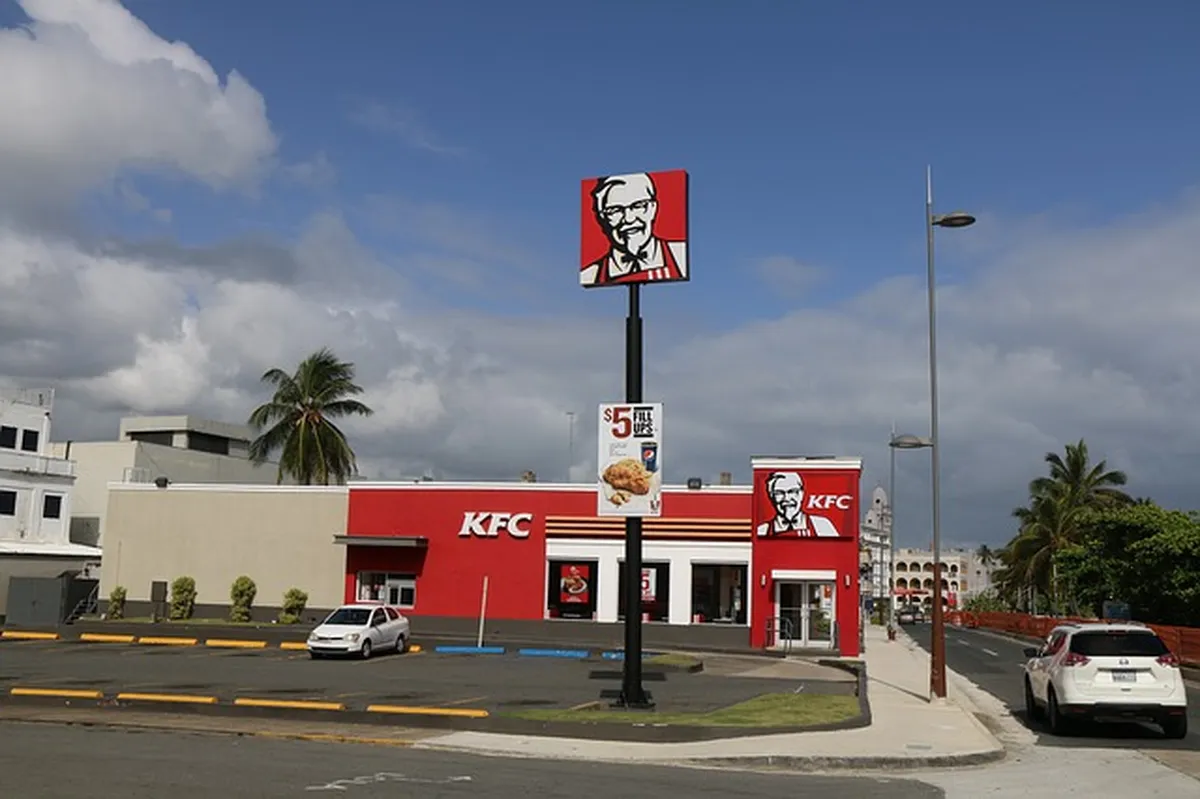
Supply Chain Cyberattack Third-Party Risk Cold-Chain Logistics Operational Disruption Food Sector Impact
Overview
A cyberattack hit Nichirei, one of Japan's largest frozen food and cold-chain logistics providers, causing system failures that disrupted refrigerated and frozen-food deliveries to multiple downstream organizations.
Affected organizations reportedly included KFC Japan, Kura Sushi, supermarkets, food manufacturers, and elderly care facilities, showing how compromise of a third-party logistics provider can cascade across critical consumer and care services.
Technical Specifications
| Attribute | Details |
|---|---|
| Incident Type | Third-party logistics cyberattack / operational technology-adjacent service disruption |
| Primary Victim | Nichirei (frozen food and cold-chain logistics provider) |
| Downstream Impacted Organizations | KFC Japan, Kura Sushi, supermarkets, manufacturers, care facilities |
| Confirmed Condition | Unauthorized access to Nichirei IT systems |
| Operational Effects | Internal logistics and warehouse-management system failures; distribution suspension |
| Known Attack Vector | Not publicly confirmed |
| Known Malware / CVE / IOC | Not publicly disclosed |
| Data Theft / Ransomware Status | Not confirmed as of latest public reporting |
| Investigation Status | Forensic investigation and restoration ongoing |
Affected Products
- Nichirei internal logistics systems
- Warehouse management and transportation scheduling systems
- Refrigerated and frozen distribution workflows supporting external customers
- Customer-facing ordering and delivery services dependent on upstream food supply availability
Attack Scenario
- Attackers gain initial access through an unknown vector (for example phishing, credential theft, exposed remote access, or exploitation of internet-facing systems).
- Attackers establish presence in internal logistics IT environments.
- Core distribution-supporting systems (warehouse and scheduling operations) become unavailable or unstable.
- Refrigerated/frozen shipments are delayed or suspended across multiple dependent organizations.
- Restaurants and food operators experience shortages, reduced menus, temporary closures, and ordering interruptions.
Impact Assessment
- Potential unauthorized manipulation of logistics workflows and scheduling data
- Risk of tampering with inventory or routing records during disruption response
- Cross-organization dependency on one provider magnifies integrity risk in downstream planning
- No confirmed public evidence of customer-data theft at publication time
- Exposure risk remains under investigation due to confirmed unauthorized system access
- Sensitive partner and logistics metadata may still be at risk pending forensic outcomes
- Suspended or delayed cold-chain deliveries to restaurants, supermarkets, and care facilities
- Product shortages, menu reductions, temporary store closures, and service-order interruptions
- Business continuity disruption and financial impact across dependent food-sector organizations
Mitigation Strategies
Immediate Actions
- Isolate affected systems and preserve forensic evidence
- Restore critical services from clean, validated backups
- Activate incident response and crisis communications across supply-chain partners
Short-term Measures
- Enforce MFA for remote and privileged access paths
- Strengthen segmentation between enterprise IT, logistics systems, and administrative planes
- Deploy EDR/XDR monitoring and tighten endpoint controls on core operations systems
Monitoring & Detection
- Increase monitoring of privileged account behavior and configuration changes
- Correlate warehouse/logistics outages with suspicious authentication and administrative activity
- Hunt for persistence indicators before reconnecting recovered systems to production workflows
Long-term Solutions
- Mature third-party/vendor risk management and security assurance requirements
- Build resilient business continuity and disaster recovery playbooks for logistics outages
- Conduct recurring phishing and credential-theft awareness exercises for operations teams
Resources and References
Public Reporting
Last Updated: July 16, 2026