U.S.-China AI Incident Communication Channel
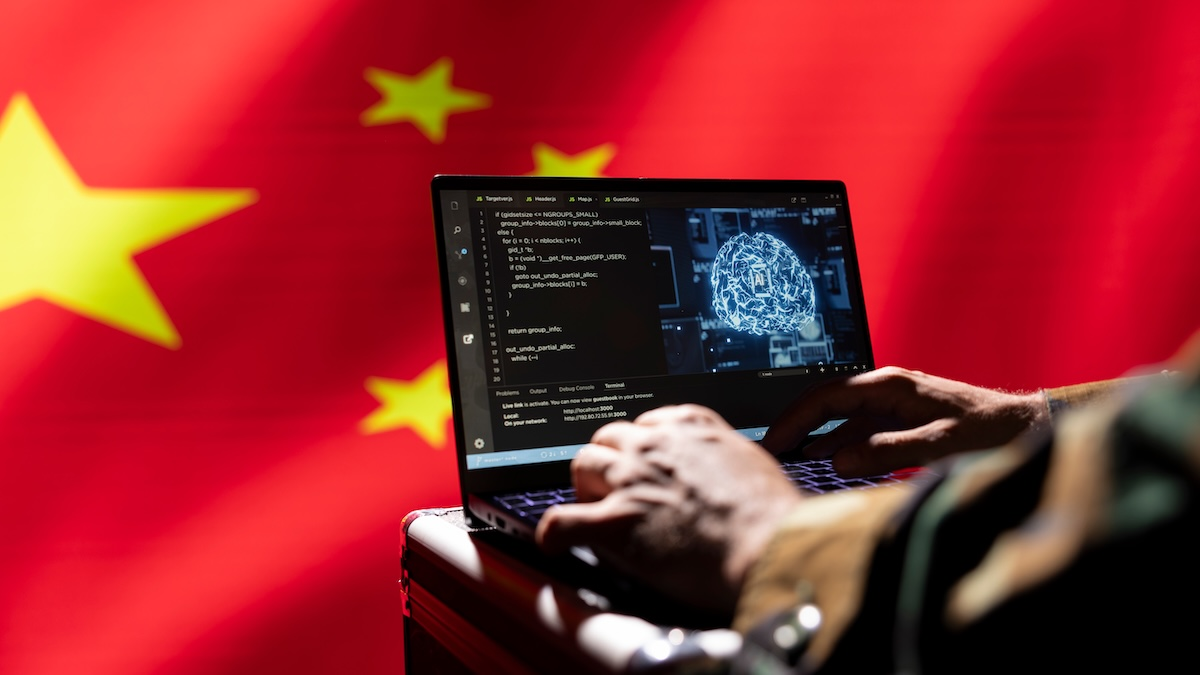
U.S.-China Relations AI Governance Incident Communication Crisis De-escalation Policy Development
Overview
The United States and China agreed to establish a bilateral communication channel for AI-related incidents following the September 23-25, 2026 Washington summit between President Donald Trump and President Xi Jinping.
The mechanism is intended to provide a way for both governments to communicate about AI-related incidents and associated risks and benefits. Both countries also agreed to establish a broader China-U.S. AI Dialogue, with the next exchange scheduled for November 2026.
Technical Details
Public information does not yet specify the technical architecture or operating procedures of the channel.
- The channel is not described as a shared AI platform.
- The channel is not described as a joint AI-development system.
- The current agreement establishes a government-to-government communication mechanism for AI incidents.
Earlier September discussions reportedly included possible cooperation on monitoring AI-directed cyberattacks and information sharing between AI laboratories, but these proposals should not be treated as confirmed capabilities of the newly announced channel.
Technical Specifications
| Attribute | Details |
|---|---|
| Agreement Type | Bilateral government communication mechanism |
| Primary Scope | AI-related incident communication |
| Announced During | September 23-25, 2026 Washington summit |
| Confirmed Capability | Government-to-government incident communication channel |
| Not Confirmed | Shared AI platform, joint AI-development system, automatic data sharing |
| Next Milestone | Broader China-U.S. AI Dialogue (scheduled November 2026) |
Affected Products
- No specific software product, CVE, or platform vulnerability was identified in the announcement.
- Scope is policy and incident-coordination related, potentially relevant to AI-enabled cyber and critical-infrastructure events.
Attack Scenario
No specific attack triggered creation of the channel.
A potential scenario could involve an AI-related incident with cross-border or national-security implications, such as:
- An AI-assisted cyberattack affecting cross-border interests.
- Uncontrolled AI-enabled activity with escalation risk.
- An incident involving AI systems in sensitive military or critical-infrastructure contexts.
- One government notifying the other through the channel.
- Clarification and exchange of relevant incident information.
- De-escalation steps to reduce misinterpretation or crisis amplification.
Impact Assessment
- Establishes a formal U.S.-China mechanism for potential AI-related crisis communication
- May improve speed and clarity of bilateral incident notification
- Could reduce uncertainty and misinterpretation during serious AI events
- Provides a structured path for communication without requiring technology integration
- Announcement does not establish common AI-security standards
- Announcement does not establish joint AI development
- Announcement does not establish automatic information sharing
- U.S. statements indicate continued independent AI development
Mitigation Strategies
- Establish clear criteria defining what constitutes an AI incident.
- Create 24/7 government contact points for urgent coordination.
- Develop incident-severity tiers and escalation procedures.
- Establish secure information-sharing mechanisms.
- Coordinate AI-related cyber-incident response procedures.
- Develop methods for verifying incident reports before escalation.
- Conduct bilateral tabletop exercises for AI-incident scenarios.
- Define information-classification and releasability rules.
- Establish dedicated procedures for AI-enabled military or critical-infrastructure incidents.
Resources and References
Public Reporting
- China and US Agree to Establish AI Safety Channel and Continue Trade and Military Talks - SecurityWeek
- China and US agree to create AI safety channel | AP News
- China and US agree to establish AI safety channel and continue trade and military talks
- China and the United States Reach Eight Deliverables and Understandings
Last Updated: September 29, 2026