CVE-2025-14993: Tenda AC18 Router Stack Buffer Overflow
Stack-Based Buffer Overflow Remote Code Execution Denial of Service
Overview
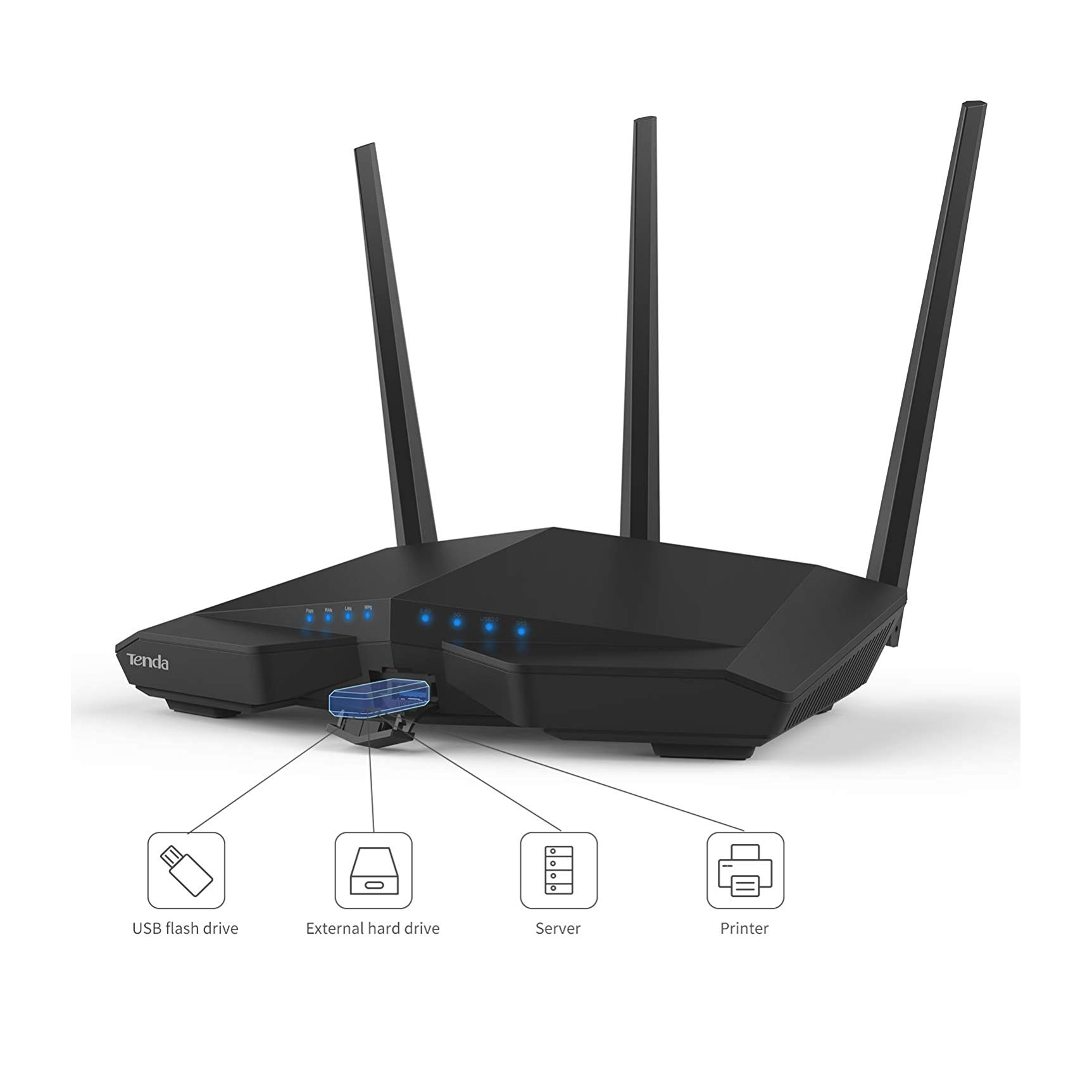
CVE-2025-14993 is a stack-based buffer overflow vulnerability in the Tenda AC18 router firmware v15.03.05.05. The vulnerability exists in the HTTP request handler for /goform/SetDlnaCfg, where insufficient input validation leads to improper handling of input data, causing a stack buffer overflow. Remote attackers can send crafted HTTP requests to trigger this vulnerability, potentially leading to denial of service or arbitrary code execution with the privileges of the HTTP daemon. This enables full router compromise and potential pivot to internal networks if WAN-exposed.
Technical Specifications
| Attribute | Details |
|---|---|
| CVE ID | CVE-2025-14993 |
| Vulnerability Type | Stack-Based Buffer Overflow (CWE-121) |
| Affected Product | Tenda AC18 Router |
| Affected Version | Firmware v15.03.05.05 |
| Vulnerable Component | HTTP Service Handler — /goform/SetDlnaCfg |
| Attack Vector | Network (Remote) |
| Authentication Required | None or Minimal (if web admin interface exposed) |
| User Interaction | None |
| Exploit Complexity | Low to Moderate |
| Root Cause | Lack of bounds checking in sprintf-like logic, overwriting stack memory |
| Exploit Scenario | Crafted HTTP request with oversized parameters |
| Patch Status | Check Tenda official support for firmware update |
Vulnerability Details
Root Cause
The vulnerability stems from improper input validation in the /goform/SetDlnaCfg endpoint handler:
- Insufficient Bounds Checking: The HTTP request handler fails to validate the size of input parameters before processing them
- sprintf-Like Logic: The code uses unsafe string formatting functions (likely
sprintfor similar) without length checks - Stack Buffer Overflow: Oversized input overwrites adjacent stack memory, corrupting local variables and return addresses
- CWE-121: Classic stack-based buffer overflow allowing control flow hijacking
Attack Requirements
- Network Access: Attacker must reach the router's web-based admin interface (HTTP/HTTPS)
- No Authentication: Often no credentials required if admin interface is exposed
- Crafted Request: Malicious HTTP POST/GET request to
/goform/SetDlnaCfgwith oversized parameters - WAN Exposure: Critical if router admin interface accessible from internet
Attack Scenario
Step-by-Step Exploitation
-
Reconnaissance
Attacker scans for Tenda AC18 routers with exposed web interfaces (port 80/443). Identifies vulnerable firmware version through HTTP headers or web UI fingerprinting. -
Crafted Request Construction
Attacker creates malicious HTTP request targeting/goform/SetDlnaCfgwith oversized parameters (e.g., excessively long device names, media paths, or configuration strings). -
Trigger Buffer Overflow
Malicious request sent to router. Firmware mishandles input, causing stack buffer overflow. Adjacent memory corrupted, including return addresses and local variables. -
Code Execution or Crash
Depending on exploit sophistication: Denial of Service (service crashes, router reboots) or Arbitrary Code Execution (attacker gains shell access with HTTP daemon privileges). -
Router Compromise
Attacker achieves full control of router. Can intercept traffic, steal credentials, modify DNS settings, or pivot to internal network devices.
Impact Assessment
- Full router compromise exposes all network traffic passing through the device.
- Attacker can intercept credentials, session tokens, and sensitive data.
- If router acts as VPN gateway or firewall, all protected communications become visible to attacker.
- Attacker can modify router configuration, DNS settings, firewall rules, and firmware.
- Can redirect traffic to malicious servers (DNS hijacking), inject malware into HTTP traffic, or alter routing tables to enable man-in-the-middle attacks.
- Exploitation can crash the HTTP service or entire router, causing denial of service.
- Persistent exploitation may lead to repeated reboots, rendering network connectivity unusable.
- Critical for home offices and small businesses relying on single router.
- Router compromise enables lateral movement to internal network devices.
- Attacker can pivot from router to workstations, IoT devices, servers, and network-attached storage.
- All devices behind the compromised router become vulnerable.
Mitigation Strategies
Immediate Actions
- Update Firmware: Check Tenda's official support site for patched firmware addressing CVE-2025-14993. Apply update immediately if available.
- Disable WAN Admin Access: Navigate to router settings → Remote Management → Disable remote web admin access. Ensure admin interface only accessible from trusted LAN IPs.
- Restrict Access: Configure firewall rules to limit HTTP/HTTPS access to router admin interface. Whitelist specific IP addresses if remote management required.
- Change Default Credentials: If still using default admin password, change to strong, unique password immediately. Enable two-factor authentication if supported.
Network Hardening
- Network Segmentation: Isolate critical internal systems from router admin interface using VLANs or separate network zones. Treat router as perimeter device, not trusted internal asset.
- Monitor Traffic: Deploy intrusion detection systems (IDS) to monitor for unusual HTTP requests targeting
/goform/SetDlnaCfgor other/goform/*endpoints. Alert on oversized POST requests or repeated failed attempts. - Access Logging: Enable router access logs. Review regularly for suspicious admin login attempts, especially from external IP addresses.
Detection
- Web Traffic Analysis: Monitor HTTP logs for POST/GET requests to
/goform/SetDlnaCfgwith abnormally large payloads (>1KB parameters). - Service Crashes: Investigate unexpected router reboots or HTTP service crashes. Check system logs for segmentation faults or memory corruption errors.
- Network Behavior: Watch for unusual DNS queries, unexpected outbound connections from router, or configuration changes not initiated by administrators.
Long-Term Solutions
- Router Replacement: Consider replacing end-of-life or poorly maintained routers with enterprise-grade devices that receive regular security updates.
- Vendor Assessment: Evaluate Tenda's security track record. If vendor has history of unpatched vulnerabilities, migrate to alternative solutions (e.g., Ubiquiti, Cisco, MikroTik).
- Defense in Depth: Deploy additional firewall/IDS appliance behind router to detect post-compromise activity even if router is breached.
Resources
Vulnerability Databases
Security Advisories
- Check router admin panel for firmware update notifications
- Subscribe to Tenda security mailing lists for vulnerability announcements
- Monitor CISA KEV Catalog for exploitation evidence