AI-Agent E-Commerce Skimming Campaign

AI-Agent Campaign E-Commerce Skimming Magecart-style Injection Credential Theft 600K+ Cards
Overview
A financially motivated threat actor reportedly used multiple open-source AI-agent frameworks to automate reconnaissance, exploitation, credential theft, lateral movement, and payment-card skimmer deployment against online retailers.
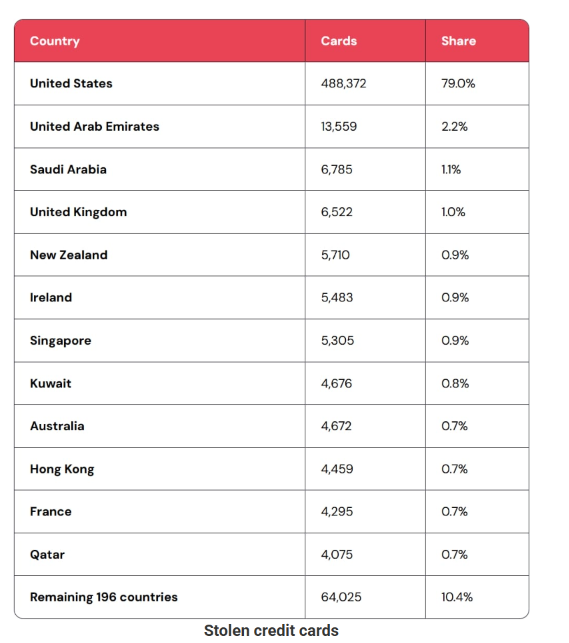
Public reporting indicates more than 600,000 payment-card records were stolen, while skimming code was deployed across 100+ websites.
Technical Details
Three AI-agent tools were reportedly used:
- Strix for automated reconnaissance and vulnerability scanning.
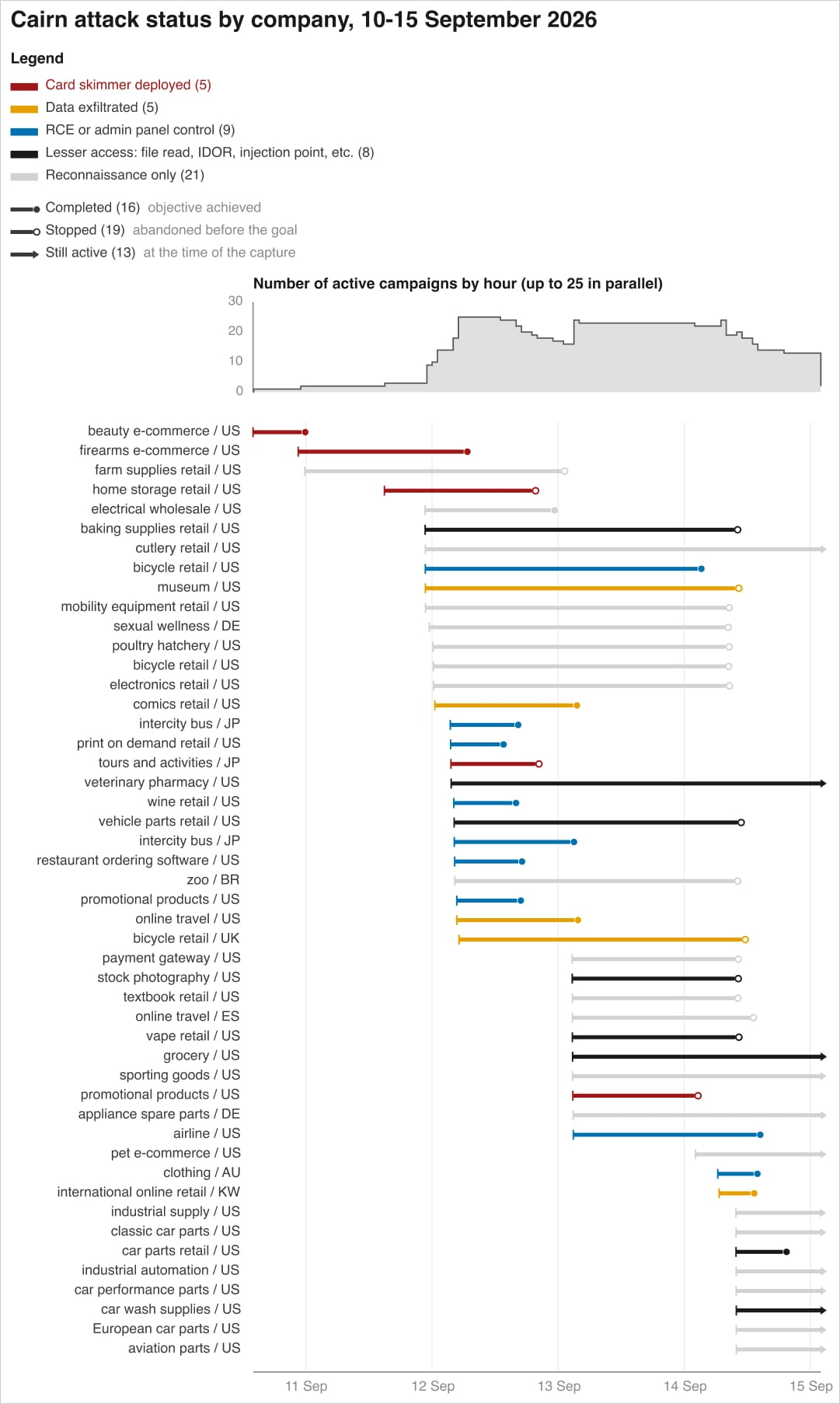
- Cairn for exploitation and post-compromise activity.
- Hermes for orchestration and campaign management.
Reported techniques included:
- SQL injection
- MFA bypass
- Web-shell deployment
- Privilege escalation
- Credential theft
- Database extraction
- CDN/object-storage manipulation
- Kubernetes configuration changes
- Malicious JavaScript injection into checkout flows
Cron jobs were reportedly used to restore skimmers after removal, increasing persistence and recovery speed.
Technical Specifications
| Attribute | Details |
|---|---|
| Threat Type | Financially motivated, automation-heavy intrusion and skimming campaign |
| Automation Stack | Strix (recon/scanning), Cairn (exploitation/post-compromise), Hermes (orchestration) |
| Initial Access Techniques | Web-application exploitation, including SQL injection |
| Post-Compromise Activity | Credential theft, privilege escalation, lateral movement, data extraction |
| Skimming Method | Magecart-style JavaScript injection in checkout infrastructure |
| Persistence Method | Cron-based restoration of removed skimming code |
Affected Products
- Internet-facing e-commerce web applications and associated checkout systems.
- Retail cloud/application stacks with weak secret management or over-privileged service accounts.
- Environments where CDN/object storage and Kubernetes controls were insufficiently monitored or protected.
Attack Scenario
- AI agents identify internet-facing targets.
- Automated vulnerability scanning is conducted.
- Web-application weaknesses are exploited.
- Administrative access and/or web shells are established.
- Credentials are stolen and databases/cloud secrets are accessed.
- Payment-card information is extracted.
- Magecart-style JavaScript skimmers are injected into checkout infrastructure.
- Persistence is maintained and card-data collection continues.
Impact Assessment
- More than 600,000 payment-card records reportedly stolen
- 100+ websites infected with skimming code
- Sustained exposure to payment fraud and account abuse
- Automated offensive workflows increased campaign scale and speed
- In at least one reported case, autonomous cleanup activity deleted database tables
- Demonstrates potential for unintended destructive effects from autonomous agent operations
- High to Critical due to broad customer impact, payment-data exposure, and persistent skimmer reinfection behavior
Mitigation Strategies
- Patch internet-facing web applications and eliminate SQL injection vulnerabilities.
- Enforce strong MFA and monitor MFA-bypass attempts.
- Apply least privilege to application, database, cloud, and CI/CD accounts.
- Protect cloud secrets and rotate exposed credentials.
- Monitor checkout JavaScript and third-party scripts for unauthorized changes.
- Implement Content Security Policy (CSP) and Subresource Integrity (SRI) where appropriate.
- Monitor CDN, object-storage, Kubernetes, and deployment-configuration changes.
- Detect unexpected web shells, cron jobs, and unauthorized administrative accounts.
- Use database activity monitoring and alert on large payment-data queries or exports.
Resources and References
Last Updated: September 29, 2026