Active Exploitation of Fastjson 1.x Zero-Day Remote Code Execution (CVE-2026-16723)
CVE-2026-16723 Fastjson 1.x Zero-Day Java Deserialization RCE Spring Boot Risk Active Exploitation
Overview
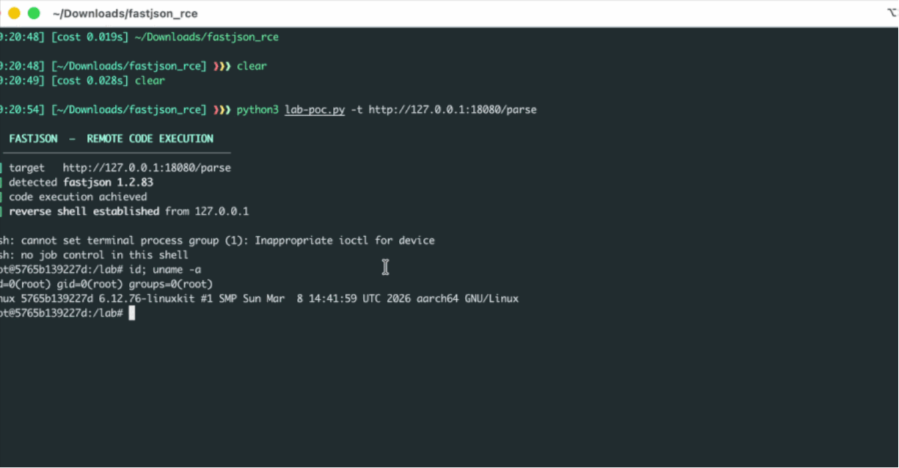
Security researchers observed active exploitation of a previously unknown vulnerability in Alibaba Fastjson 1.x, tracked as CVE-2026-16723, allowing remote code execution through crafted JSON payloads.
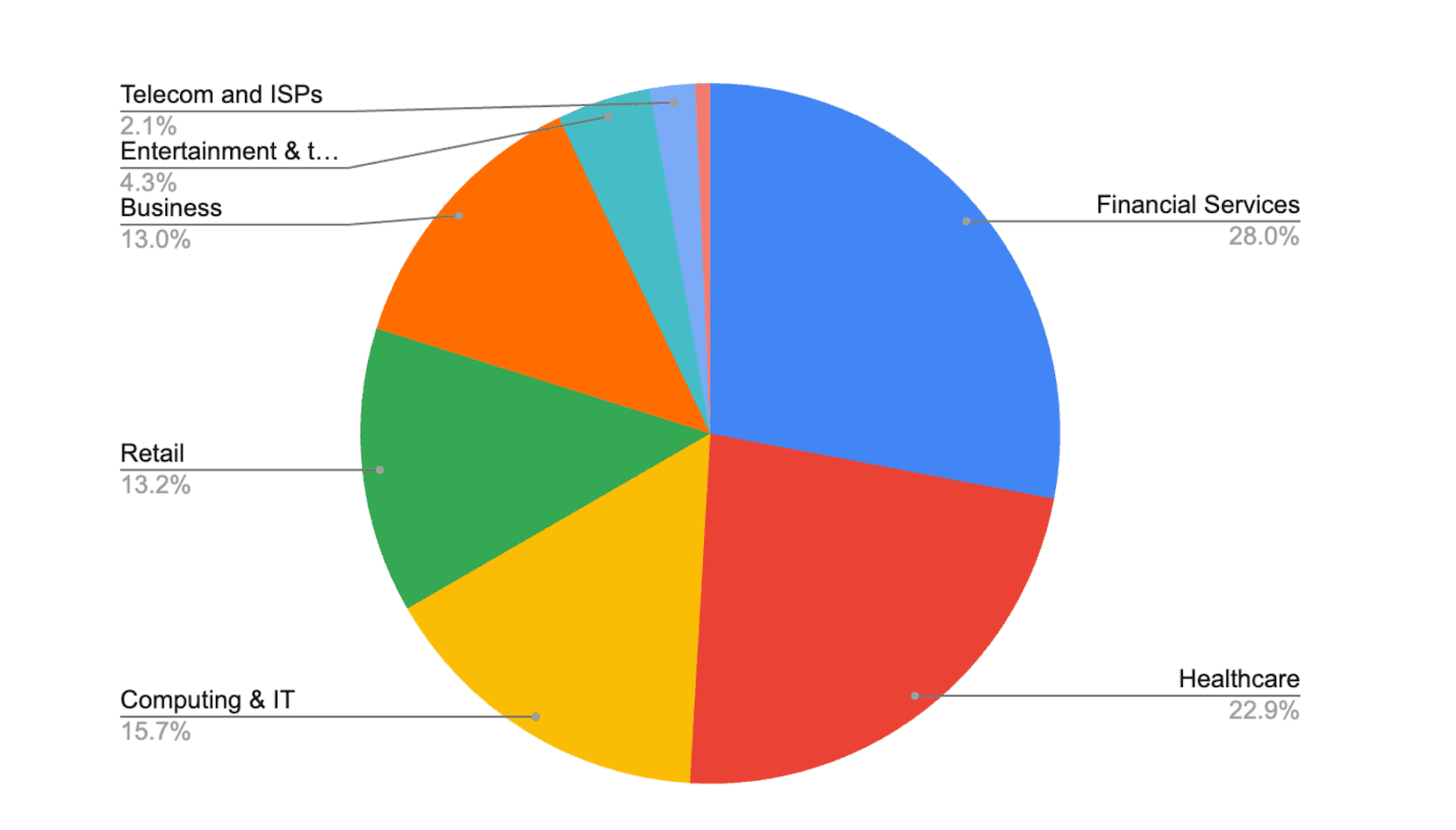
Early attack activity reportedly focused on U.S. organizations before broad mitigation and migration actions were in place.
Technical Specifications
| Attribute | Details |
|---|---|
| Vulnerability | CVE-2026-16723 |
| Affected Component | Alibaba Fastjson 1.x JSON deserialization library |
| Affected Versions | Fastjson 1.2.68 through 1.2.83 (including final 1.x release) |
| Primary Exposure Context | Spring Boot applications packaged as executable fat JARs under specific deployment conditions |
| Root Behavior | Improper processing of attacker-controlled JSON during deserialization |
| Exploit Prerequisites | Does not require AutoType enabled and does not rely on third-party gadget chains |
| Security Impact | Arbitrary remote code execution with privileges of the Java process |
| Observed Threat Posture | In-the-wild exploitation against Internet-exposed targets |
Affected Products
- Java applications using vulnerable Fastjson 1.x versions
- Spring Boot services that deserialize untrusted JSON input
- Internet-exposed API endpoints accepting attacker-controlled request bodies
- Enterprise environments where vulnerable application services run with elevated privileges
Attack Scenario
- Attackers identify publicly exposed Java services likely using vulnerable Fastjson 1.x builds.
- A crafted HTTP request with a malicious JSON payload is sent to a vulnerable endpoint.
- The application deserializes attacker-controlled content via Fastjson.
- Vulnerable parsing logic triggers remote code execution.
- Attackers establish persistence and perform follow-on actions such as malware staging, credential theft, lateral movement, or ransomware deployment.
Impact Assessment
- Full application compromise enables tampering with business logic and server-side processes
- Attackers can deploy web shells/backdoors and alter runtime behavior
- Privilege escalation paths may allow broader host and domain control
- Exposure of application data, secrets, and credentials stored in process memory or configuration
- Potential database compromise and large-scale data exfiltration
- Token and key theft can lead to compromise of integrated upstream/downstream services
- Service instability or outages due to malicious process execution
- Ransomware or destructive payload deployment can cause prolonged downtime
- Incident response containment can interrupt production API operations
Mitigation Strategies
Immediate Actions
- Upgrade to Fastjson 2.x wherever technically feasible
- If migration cannot be immediate, enable Fastjson SafeMode as a short-term hardening measure
- Restrict public exposure of vulnerable API endpoints and apply emergency access controls
Short-term Measures
- Deploy WAF detections/rules for suspicious JSON deserialization patterns
- Audit dependency trees to locate direct and transitive Fastjson 1.x usage
- Remove or replace unnecessary Fastjson dependencies in affected services
Monitoring & Detection
- Monitor logs for anomalous deserialization requests and unexpected object construction behavior
- Alert on unusual Java child-process creation, outbound callbacks, and command execution indicators
- Correlate endpoint, application, and network telemetry for post-exploitation movement attempts
Long-term Solutions
- Standardize secure deserialization patterns and strict input validation across Java services
- Adopt software composition analysis and rapid dependency patch governance
- Run services under least-privilege accounts with segmented network access to reduce blast radius
Resources and References
Public Reporting
Last Updated: July 28, 2026