CVE-2025-70231 – Path Traversal Vulnerability in D-Link DIR-513 Router
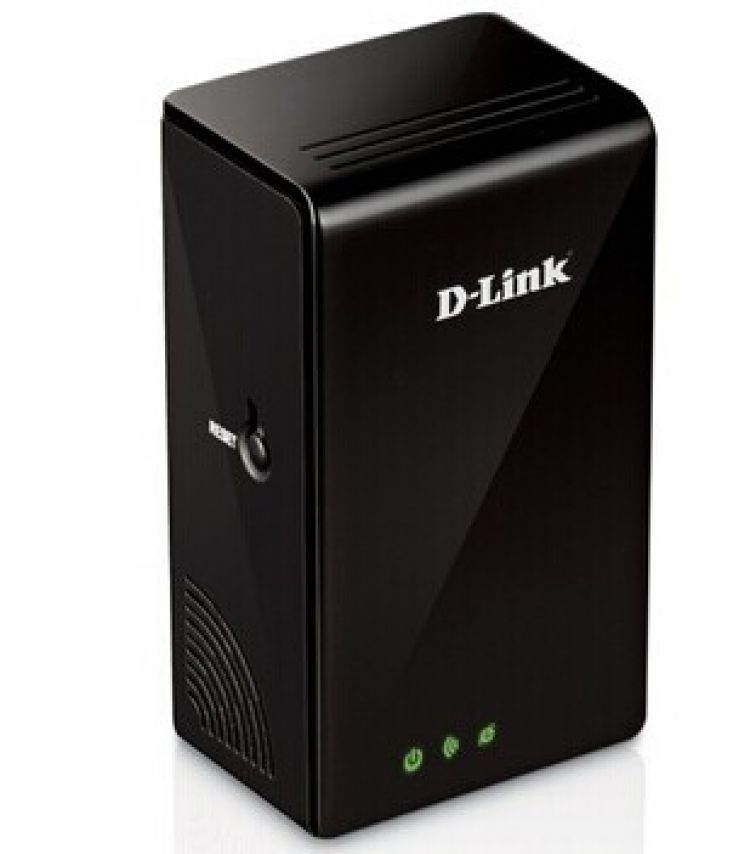
CVE-2025-70231 Path Traversal CWE-22 Unauthenticated Access
Overview
A critical path traversal vulnerability affects D-Link DIR-513 router firmware version 1.10. The issue allows unauthenticated remote attackers to access sensitive files by abusing improper input validation in the web management interface.
By sending crafted requests with directory traversal sequences, attackers can retrieve files outside intended directories and potentially obtain credentials or configuration data that enable deeper compromise.
Technical Specifications
| Attribute | Details |
|---|---|
| CVE ID | CVE-2025-70231 |
| Vulnerability Type | Path Traversal (CWE-22) |
| CVSS Score | 9.8 (Critical) |
| Affected Product | D-Link DIR-513 router |
| Affected Firmware | Version 1.10 |
| Authentication Required | None |
| Affected Endpoints | /goform/formLogin, /goform/getAuthCode |
| Vulnerable Parameter | FILECODE |
| Exploit Primitive | Directory traversal sequences (e.g., ../../) |
Affected Products
- D-Link DIR-513 routers running firmware 1.10
- Deployments exposing web management interfaces to untrusted networks
- Environments with remote management enabled without strong access controls
- Networks relying on legacy/unsupported edge routers
- Status: High risk until patched or replaced
Technical Details
Root Cause
FILECODEinput in vulnerable endpoints is not properly sanitized.- Directory traversal patterns can escape intended file path constraints.
- Server-side processing may return arbitrary local files to attacker requests.
Vulnerable Web Paths
/goform/formLogin/goform/getAuthCode
Example Attack Pattern
POST /goform/formLogin HTTP/1.1
Host: target-router
FILECODE=../../../../etc/passwd
If accepted, traversal content can expose sensitive internal filesystem data.
Attack Scenario
-
Reconnaissance:
- Attacker scans for internet-reachable DIR-513 web management interfaces.
-
Version/Surface Verification:
- Attacker identifies likely vulnerable firmware 1.10 targets.
-
Crafted Request Delivery:
- Malicious POST requests are sent to vulnerable
/goform/endpoints.
- Malicious POST requests are sent to vulnerable
-
Traversal Exploitation:
FILECODEincludes../../sequences to request files outside allowed paths.
-
Data Extraction and Follow-On Abuse:
- Retrieved credentials/configuration data is used for administrative compromise, traffic manipulation, and lateral/internal attacks.
Impact Assessment
- Exposure of sensitive router configuration and credential artifacts
- Potential disclosure of Wi-Fi keys and network details
- Increased risk of credential reuse attacks
- Unauthorized administrative control and configuration tampering
- Malicious DNS/routing changes enabling interception or redirection
- Use of compromised router as pivot into internal systems
- Service disruption via malicious configuration changes
- Potential botnet enrollment and abuse in broader attacks
- Degraded network reliability for affected users/sites
Mitigation Strategies
Immediate Actions
- Update firmware as soon as a vendor-fixed version is available
- Disable remote management access from public internet
- Restrict administrative interface access to trusted internal networks only
Monitoring and Detection
- Monitor logs for suspicious requests targeting
/goform/paths - Alert on abnormal
FILECODEparameter values and traversal-like patterns - Track unexpected configuration changes and admin login anomalies
Long-Term Risk Reduction
- Replace unsupported/outdated routers with actively maintained models
- Enforce network segmentation for edge management systems
- Periodically scan edge devices for exposed admin interfaces and known CVEs
Resources and References
Open-Source References
Last Updated: March 9, 2026