WPSplinter - Broadcom Wi-Fi / WPS Implementation Vulnerability
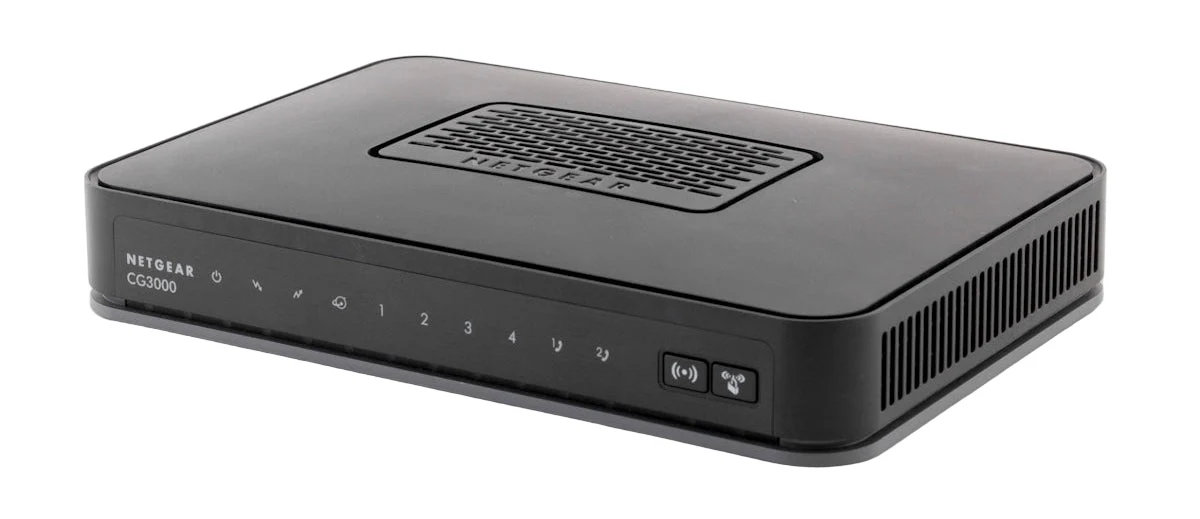
WPSplinter Broadcom Wi-Fi WPS / EAP Reassembly Unauthenticated RCE Proximity Attack
Overview
A vulnerability in Broadcom's proprietary Wi-Fi implementation, present since at least 2010, allows attackers within wireless range to potentially execute arbitrary code on vulnerable routers without authentication.
The flaw affects WPS-related EAP message reassembly. An incomplete fix was reportedly released in 2018, leaving legacy devices exposed. The researcher demonstrated successful exploitation on gateways used by Belgian ISPs.
Technical Details
- Affected component: Broadcom proprietary 802.11 / WPS implementation.
- Root cause: Memory corruption associated with improper handling of fragmented EAP messages during WPS processing.
- Attack prerequisites: Wireless proximity; no Wi-Fi password or completed WPS enrollment required.
- Potential result: Information disclosure and unauthenticated remote code execution.
- Affected chipset families: BCM3380, BCM3383, BCM33834, BCM3390, BCM65xx and BCM68xx.
- CVE status: No CVE identifier was assigned at the time of public disclosure.
Technical Specifications
| Attribute | Details |
|---|---|
| Vulnerability Name | WPSplinter |
| Affected Stack | Broadcom proprietary 802.11 / WPS implementation |
| Weakness Class | Memory corruption in fragmented EAP message handling |
| Attack Requirement | Attacker within wireless transmission range |
| Authentication Requirement | None (no Wi-Fi password or completed WPS enrollment required) |
| Impact Potential | Information disclosure and unauthenticated code execution |
| Chipset Families Referenced | BCM3380, BCM3383, BCM33834, BCM3390, BCM65xx, BCM68xx |
| Disclosure CVE Status | No CVE assigned at disclosure time |
Affected Products
- Routers and gateways using affected Broadcom chipset families and vulnerable firmware branches.
- Legacy ISP-provided gateway fleets that did not receive complete remediation.
Attack Scenario
- An attacker approaches a vulnerable router within Wi-Fi transmission range.
- The attacker transmits specially crafted wireless messages targeting WPS EAP message-processing code.
- Improper fragment handling triggers memory corruption.
- The attacker leverages the flaw to execute code without authentication.
- Depending on achieved privileges, the attacker may extract Wi-Fi credentials, establish command execution, manipulate traffic, or pivot further into connected networks.
The researcher demonstrated credential extraction on an Orange Belgium ASKEY TCG3000 and a reverse shell on a Proximus BBOX3V+ gateway. These were controlled research demonstrations, not proof of widespread exploitation in the wild.
Impact Assessment
- Potential exposure of Wi-Fi passwords and accessible traffic
- Unauthorized modification of router configuration or traffic paths
- Possible router disruption or denial-of-service outcomes
- Potential compromise of devices communicating through the affected router
- Difficult detection and remediation on unsupported ISP-provided gateways
- Research estimates indicate about 1.56 million potentially affected gateways across three Belgian ISP fleets; this is an estimate, not a verified exploitable count
Mitigation Strategies
- Identify affected router models, Broadcom chipsets, and firmware versions.
- Contact the router manufacturer or ISP to confirm vulnerability status and available remediation.
- Apply verified firmware updates or vendor-provided fixes.
- Replace affected devices if no effective security update is available.
- Disable WPS as general security hygiene, but do not treat this alone as a confirmed fix.
- Segment sensitive systems from potentially vulnerable routers and monitor for unusual wireless activity or unexpected router configuration changes.
- If compromise is suspected, secure or replace the router before changing Wi-Fi and administrator passwords.
- Track vendor advisories and updated affected-device lists as investigation details evolve.
Resources and References
Public Reporting
Last Updated: October 20, 2026