Philippine Nuclear and Naval Targets Hit by Suspected Chinese Operator
Cyber Espionage Critical Infrastructure Targeting Maritime Defense Sector CVE-2023-49105 CVE-2024-28000
Overview
A suspected Chinese-speaking threat operator compromised a Philippine nuclear research organization and a marine engineering and shipbuilding company supporting the Philippine Navy. Researchers reported exploitation of known vulnerabilities in internet-facing ownCloud and WordPress systems, followed by theft of sensitive data.
The operation targeted organizations tied to national critical infrastructure and defense-adjacent maritime capabilities, increasing long-term espionage and operational risk.
Technical Details
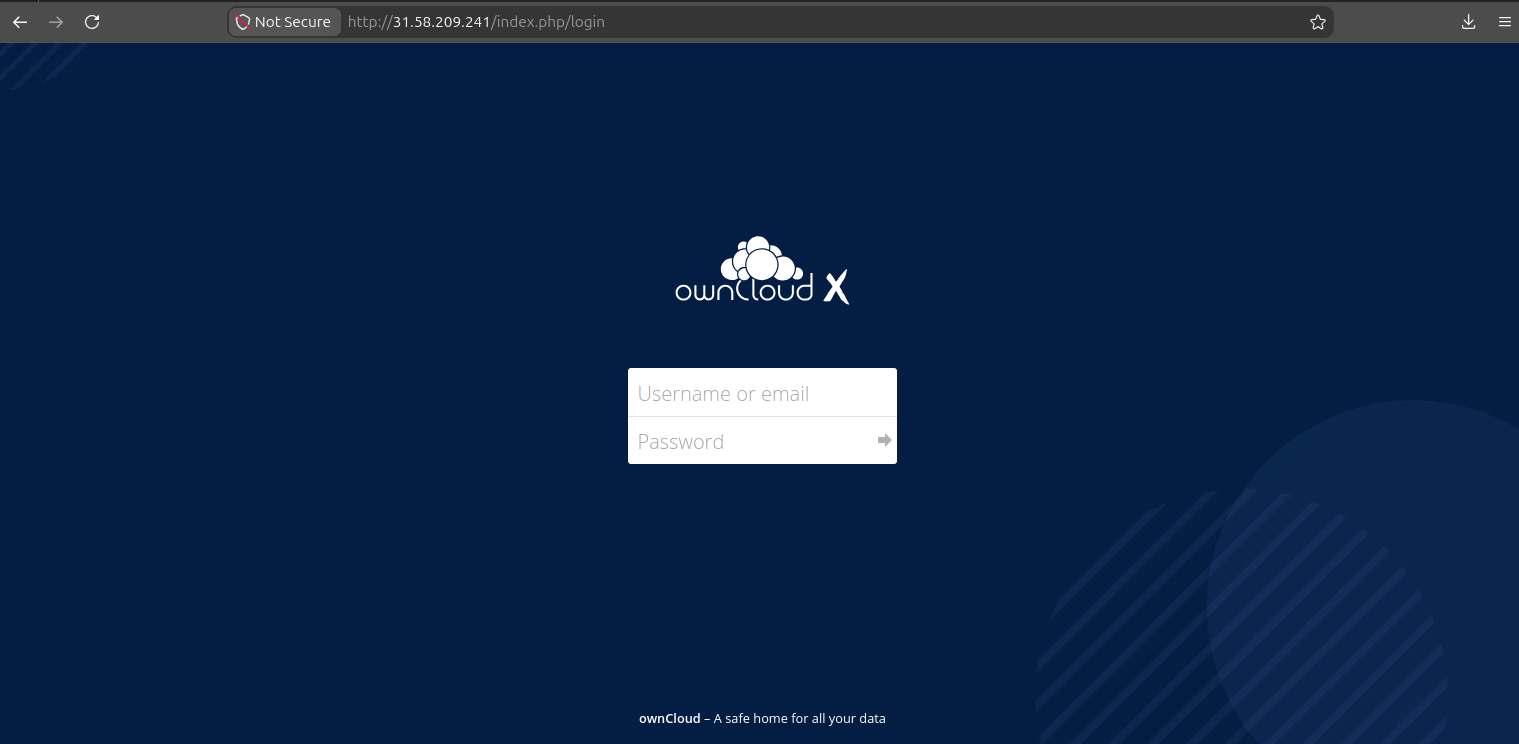
The nuclear-sector target was reportedly compromised via CVE-2023-49105, an authentication-bypass issue affecting vulnerable ownCloud WebDAV functionality. Attackers used custom Python tooling to generate accepted WebDAV requests, then enumerate and download files.
The naval-linked target was reportedly compromised via CVE-2024-28000 in the LiteSpeed Cache WordPress plugin, enabling unauthorized administrator access. The operator also used XML-RPC password attacks against administrative accounts.
An exposed attacker server reportedly contained Python scripts, transfer logs, stolen data, and offensive tooling including Sliver, Metasploit, and Mettle.
Technical Specifications
| Attribute | Details |
|---|---|
| Suspected Threat Operator | Chinese-speaking actor (reported) |
| Primary Target 1 | Philippine nuclear research organization |
| Primary Target 2 | Marine engineering/shipbuilding company supporting the Philippine Navy |
| Initial Access Vector 1 | Exploitation of ownCloud WebDAV via CVE-2023-49105 |
| Initial Access Vector 2 | Exploitation of LiteSpeed Cache plugin via CVE-2024-28000 |
| Additional Access Method | XML-RPC password attacks on WordPress admin |
| Observed Tooling | Custom Python scripts, Sliver, Metasploit, Mettle |
| Recovered Exfil Indicator | CSV reference of approximately 9 GB stolen data |
Affected Products
- ownCloud instances vulnerable to CVE-2023-49105 (reported as exploited).
- WordPress deployments using vulnerable LiteSpeed Cache plugin versions prior to 6.4.
- WordPress environments exposing XML-RPC and weak administrator credential hygiene.
Attack Scenario
- Reconnaissance identifies internet-facing ownCloud and WordPress targets.
- Initial access is gained by exploiting CVE-2023-49105 and CVE-2024-28000, plus XML-RPC password attacks.
- Adversary accesses files and administrative functions in compromised platforms.
- Discovery and collection focuses on technical, personnel, financial, and strategic documents.
- Data is exfiltrated using custom scripts with randomized delays to reduce detection likelihood.
- Stolen credentials and organizational data are positioned for follow-on espionage or intrusion activity.
Impact Assessment
- Nuclear research and naval-linked maritime organizations in the Philippines were reportedly compromised
- Sensitive operational, technical, and personnel data was reportedly accessed and stolen
- Exposed attacker infrastructure reportedly included transfer logs and stolen-data artifacts
- Nuclear reactor component databases and fuel inventory information
- Radiation safety documents, incident records, and authorized-user lists
- IT documentation, employee records, CVs, passport/travel data, and financial disclosures
- Recovered CSV data referenced approximately 9 GB of stolen material, with potential for larger total theft
- Credential-enabled persistence and additional account compromise
- Spear-phishing and social engineering against identified staff
- Long-term espionage opportunities against critical infrastructure and defense-support entities
Mitigation Strategies
ownCloud Hardening
- Upgrade ownCloud to a patched version (Security Affairs cites 10.13.3 or later).
- Apply vendor fixes and verify strong, non-empty pre-signed URL signing keys.
- Monitor WebDAV usage for suspicious PROPFIND patterns and atypical bulk file downloads.
WordPress Security Controls
- Update LiteSpeed Cache to version 6.4 or later.
- Audit and remove unauthorized administrator accounts.
- Enforce strong unique passwords and MFA for privileged users.
- Restrict or disable XML-RPC where not operationally required.
General Defensive Actions
- Maintain continuous vulnerability management and rapid patching of internet-facing services.
- Strengthen log monitoring, anomaly detection, and alert triage for credential abuse and exfiltration activity.
- Segment sensitive environments and review exposure of credential stores and critical data repositories.
- Investigate potential credential compromise and force credential resets where exposure is suspected.
Resources and References
Last Updated: August 31, 2026