KARR/SWDS Bluetooth Vehicle Security System Vulnerability
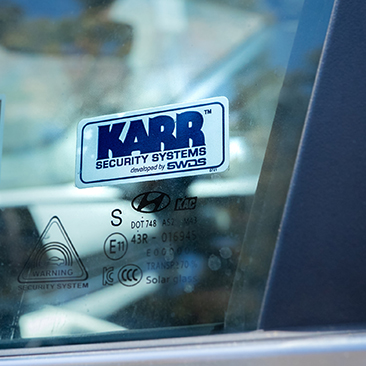
Automotive Cybersecurity BLE Abuse Authentication Flaw Shared Key Risk Vehicle Theft Exposure
Overview
Security researchers identified critical vulnerabilities in KARR and SWDS aftermarket vehicle security modules commonly installed by dealerships. Due to insecure authentication design and poor cryptographic key management, nearby attackers can issue valid Bluetooth commands without authorization.
Because the weakness is in an aftermarket module, the risk spans multiple vehicle brands regardless of original manufacturer electronics.
Technical Specifications
| Attribute | Details |
|---|---|
| Vulnerable Component | KARR and SWDS aftermarket Bluetooth security modules |
| Communication Protocol | Bluetooth Low Energy (BLE) |
| Root Cause | Single shared authentication key reused across all devices |
| Key Exposure Method | Universal key extractable via mobile app reverse engineering |
| Auth Model Weakness | Commands validated with universal key instead of unique per-device credentials |
| Estimated Attack Proximity | ~4–5 meters (~5 yards) |
| Protocol Exploit Type | No BLE protocol break; weakness is application auth and crypto design |
| Potentially Affected Scale | ~2.2 million vehicles (reported estimate) |
Affected Products
- Vehicles with dealership-installed KARR aftermarket security modules
- Vehicles with dealership-installed SWDS aftermarket security modules
- Multi-brand vehicle populations where these aftermarket anti-theft/remote-control systems were preinstalled
Attack Scenario
- Attacker approaches a parked target vehicle within BLE range.
- Attacker scans for nearby KARR/SWDS Bluetooth device identifiers.
- Using the extracted universal key, attacker authenticates to the module as a legitimate controller.
- Attacker sends valid control commands via BLE.
- Potential actions include lock/unlock, horn/headlight activation, and immobilizer abuse (engine start disable).
- Vehicle access and anti-theft control loss can enable follow-on physical theft techniques.
Impact Assessment
- Unauthorized command execution against vehicle security functions
- Loss of trust in aftermarket anti-theft control logic
- Potential persistent misuse where unchanged shared-key architecture remains deployed
- BLE identifier exposure may support tracking/privacy abuse
- Device metadata leakage can aid targeted vehicle profiling
- User awareness gap increases chance of undetected exploitation
- Denial of vehicle use through unauthorized immobilizer actions
- Alarm and control misuse can disrupt normal operation
- Increased theft risk and operational downtime for affected vehicle owners
Mitigation Strategies
Immediate Actions
- Apply vendor firmware updates as soon as available
- Determine whether vehicles include KARR/SWDS aftermarket modules
- Disable or remove module functionality if no longer operationally required
Short-term Measures
- Replace shared authentication material with unique per-device cryptographic keys
- Restrict unauthorized pairing/control paths and enforce stronger access controls
- Monitor for abnormal BLE control events and unexplained lock/immobilizer behavior
Monitoring & Detection
- Audit module configuration and pairing behavior across fleet/dealer deployments
- Track suspicious proximity-based command events and repeated failed auth attempts
- Conduct periodic security testing of aftermarket automotive components in use
Long-term Solutions
- Store cryptographic secrets in secure hardware-backed stores rather than client apps
- Implement mutual authentication and key rotation lifecycle controls
- Require third-party security assessments before dealership-scale aftermarket deployment
Resources and References
Public Reporting
- Millions of California-bought cars can be hijacked via Bluetooth
- 2 Million Cars with Anti-Theft Systems Installed by Dealers are at Higher Risk of Theft
- BLE Theft Auto: Evaluating the Security of Aftermarket BLE-based Automotive Remote Control Systems
- A Device Hidden in Cars Across the US Leaves Them Vulnerable to Hacking and Paralysis
- Millions of cars could be tracked and unlocked by a hidden security flaw
Last Updated: July 26, 2026